Cosumnes River Post-Wildfire Water Quality Monitoring
By Chloe Hsieh. September 20, 2025
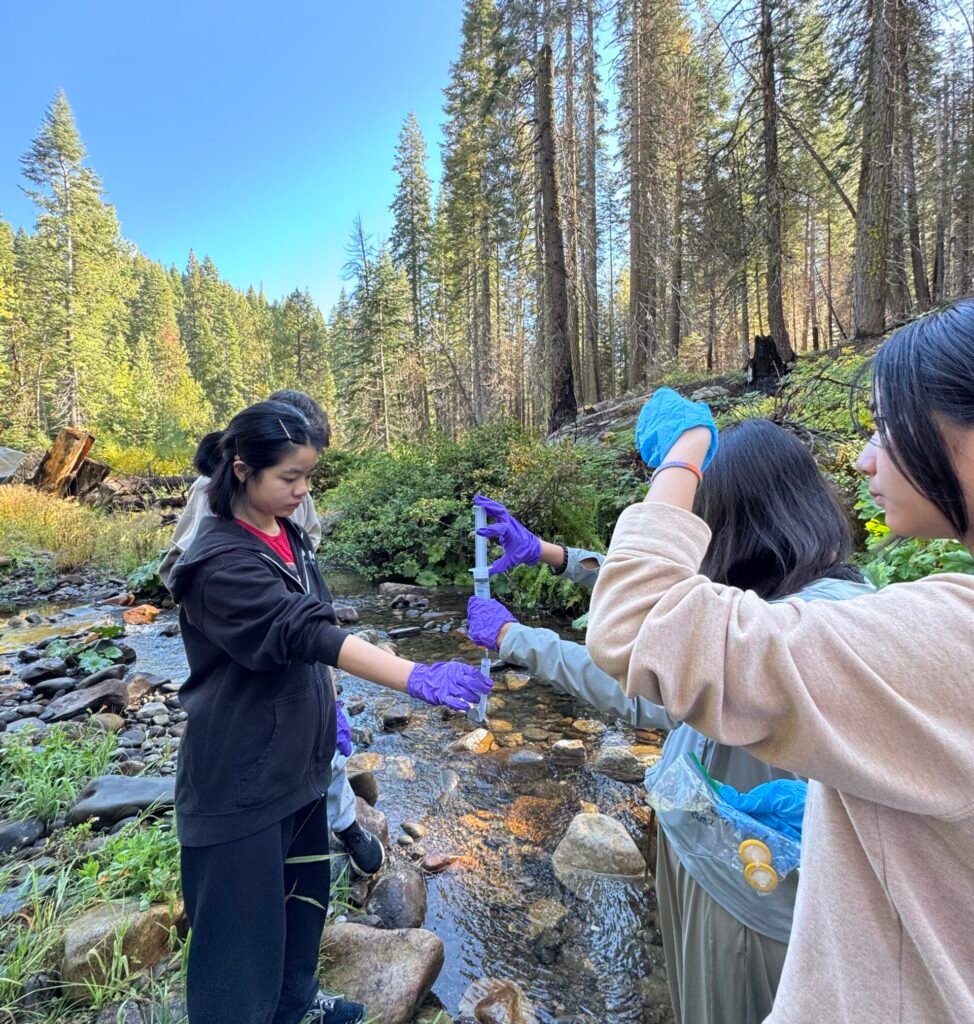
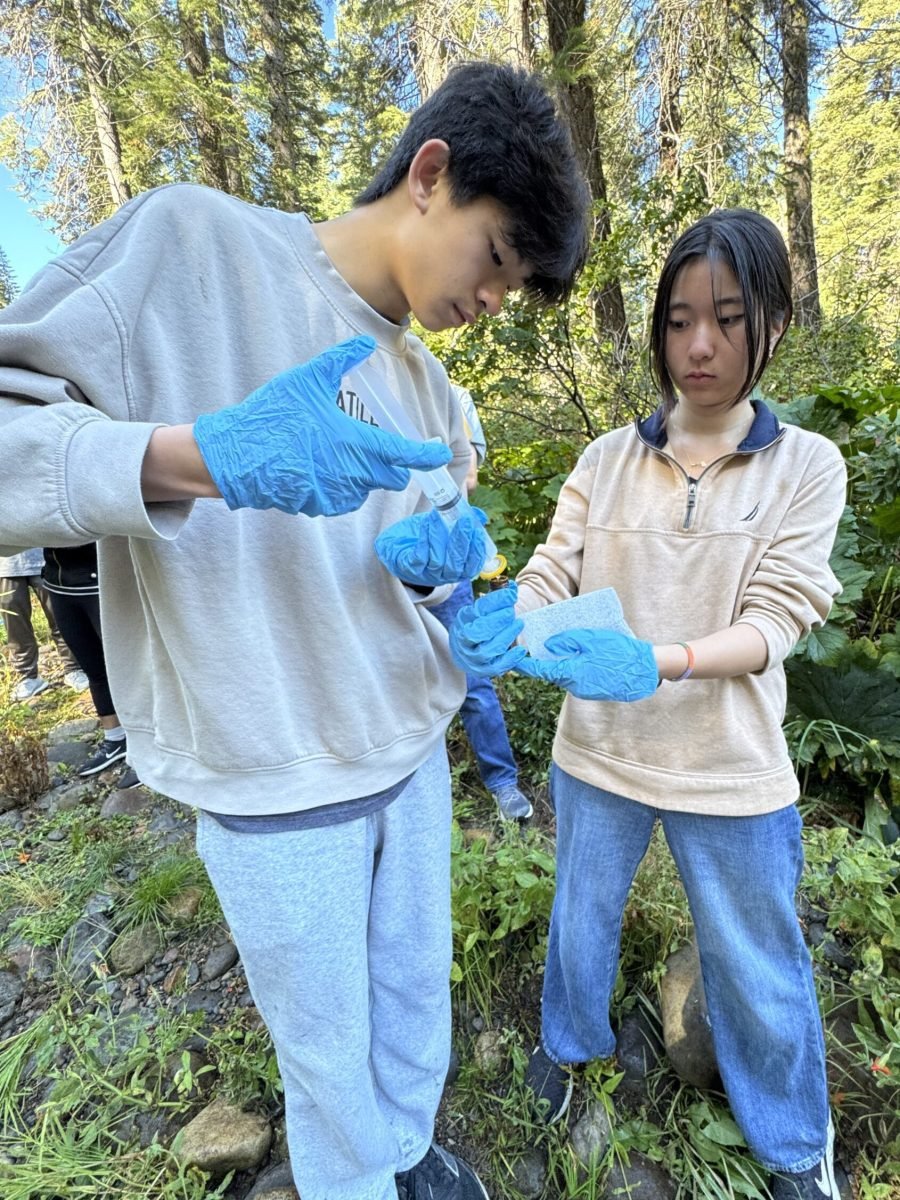
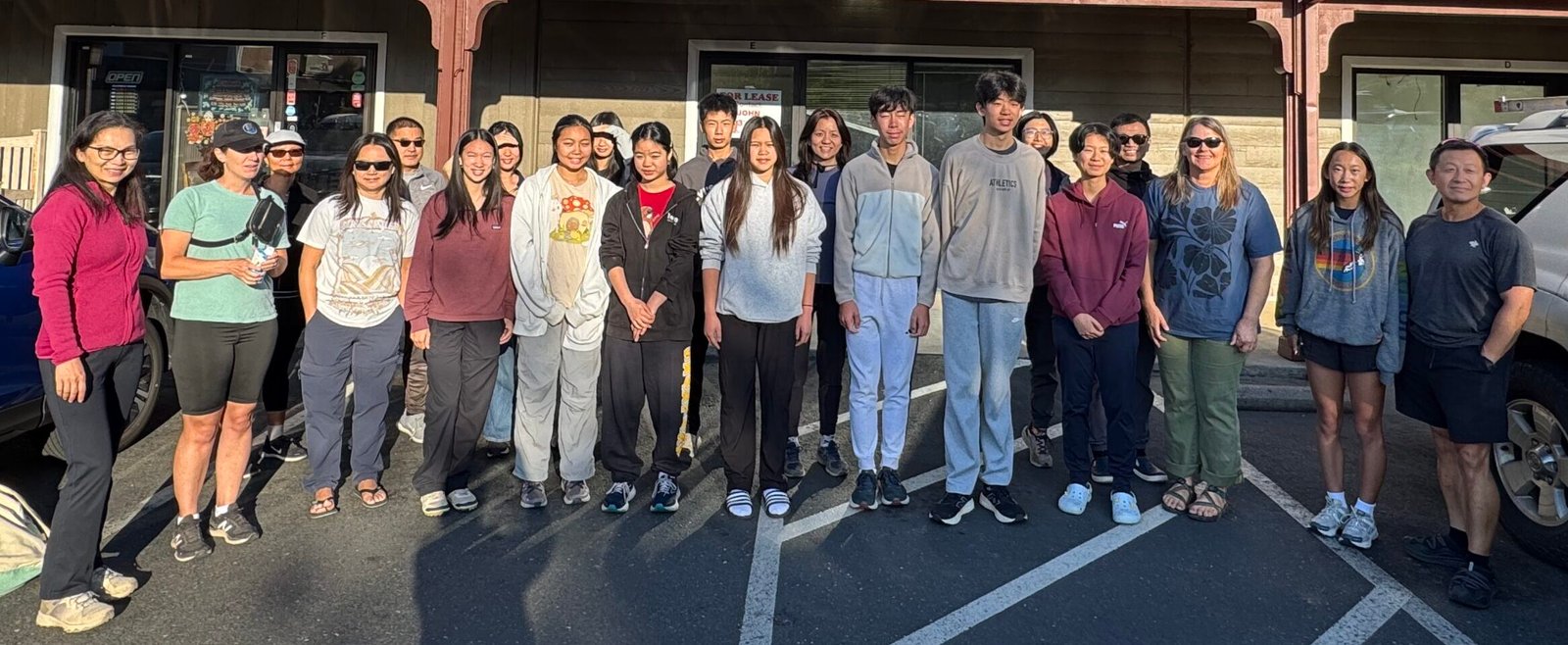
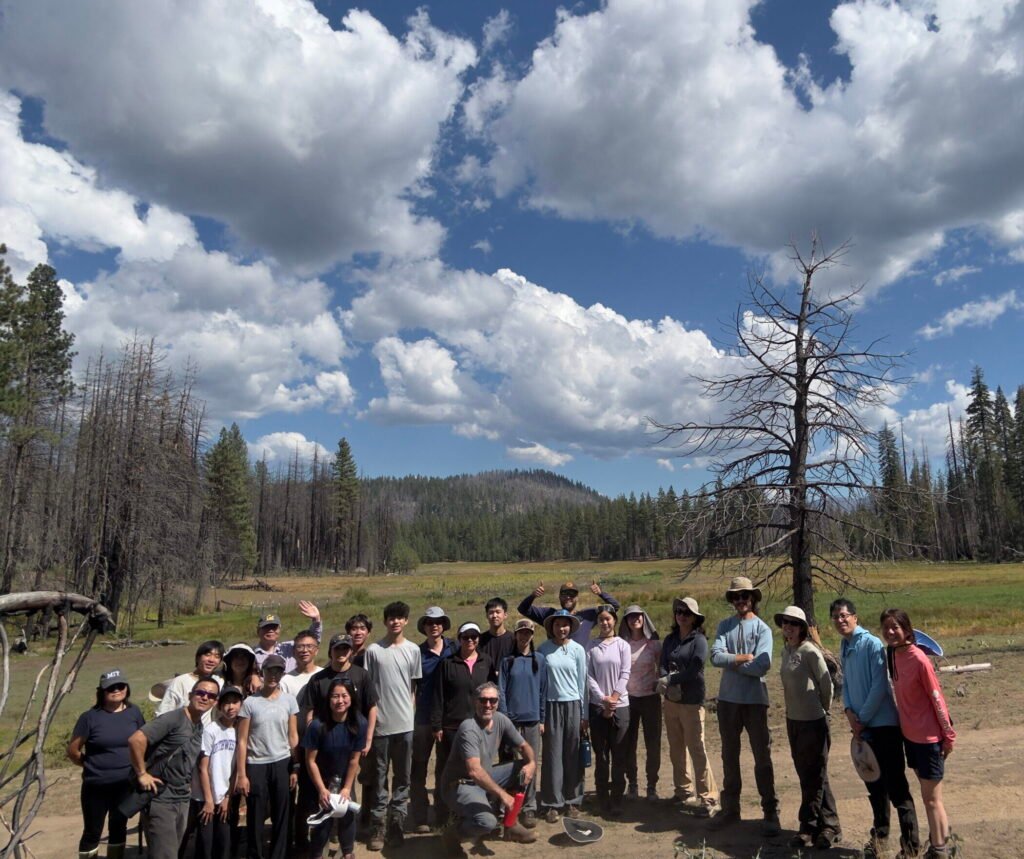
Waking up at 6 AM on a Saturday morning was not what you would expect out of a typical high schooler. But that was what all of us, high schoolers, had to do on the morning of September 20th. We had a minor yet crucial task ahead of us: sampling water quality in the Cosumnes River to gather data for ongoing scientific research projects conducted in partnership with University of California at Davis and the American River Conservancy.
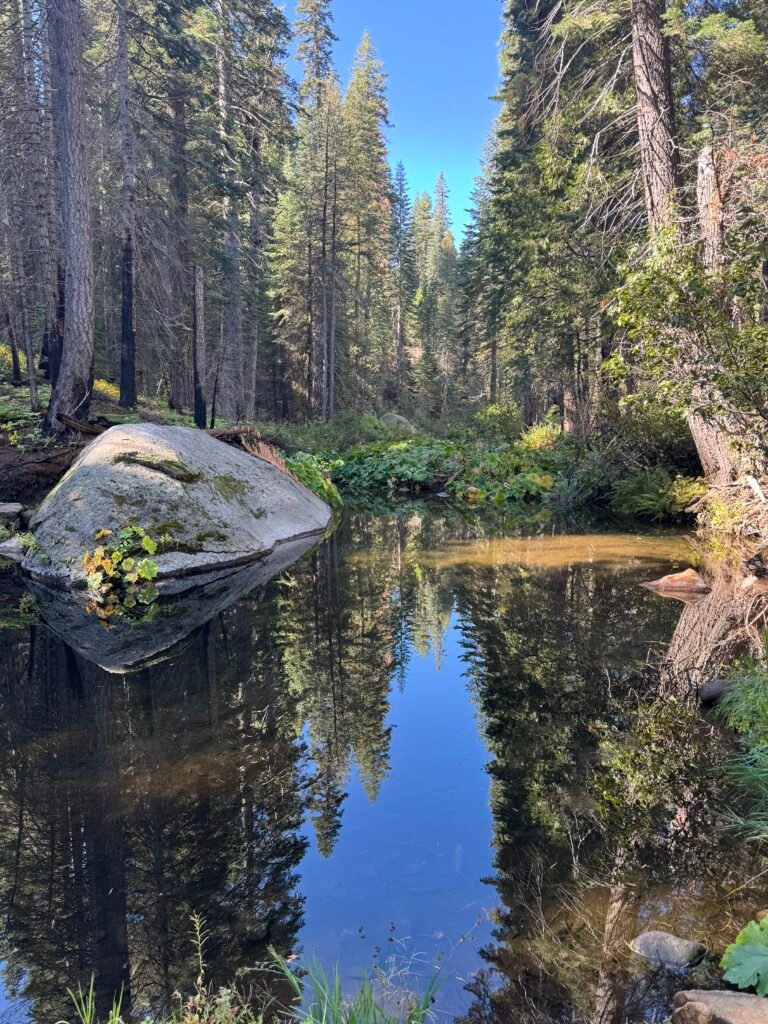
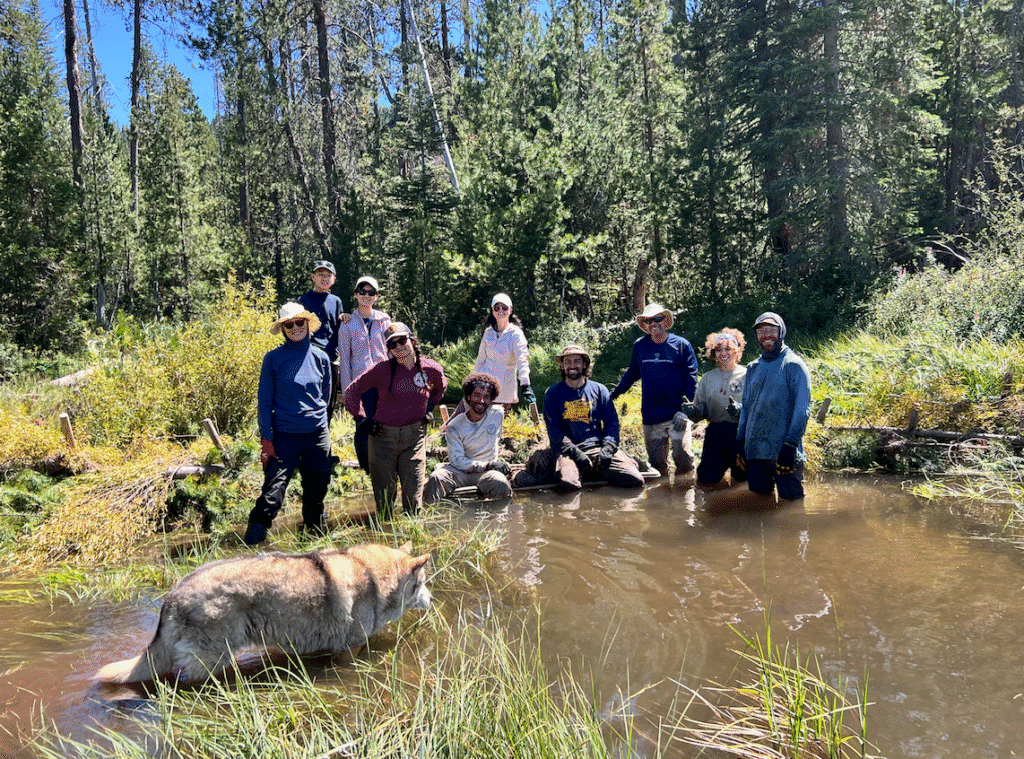
We split into three groups of eight; one group headed to Leek Springs Meadow, one went to the forests of historic Pilliken mining district, while my group set out to the summits of Mount Aukum. We parked on the side of the road and walked down to the river. I was honestly quite amazed at how big the rocks around us were. Not to mention, the water seemed super clear and clean. Swimming would’ve been great, but sadly the weather didn’t permit us.
I know what you’re thinking: Why are we sampling water? Well, apparently there is a reason why. Our instructor explained that the main purpose of the project is to evaluate the effects of the Caldor wildfire 2 years ago on our water supply. But he also explained that Cosumnes River is one of the last free-flowing rivers in California’s central valley. This means that the river is not dammed nor heavily modified. It is important to note this because this means that studying the waters here would give us more accurate results on natural river flows as it hasn’t been altered.
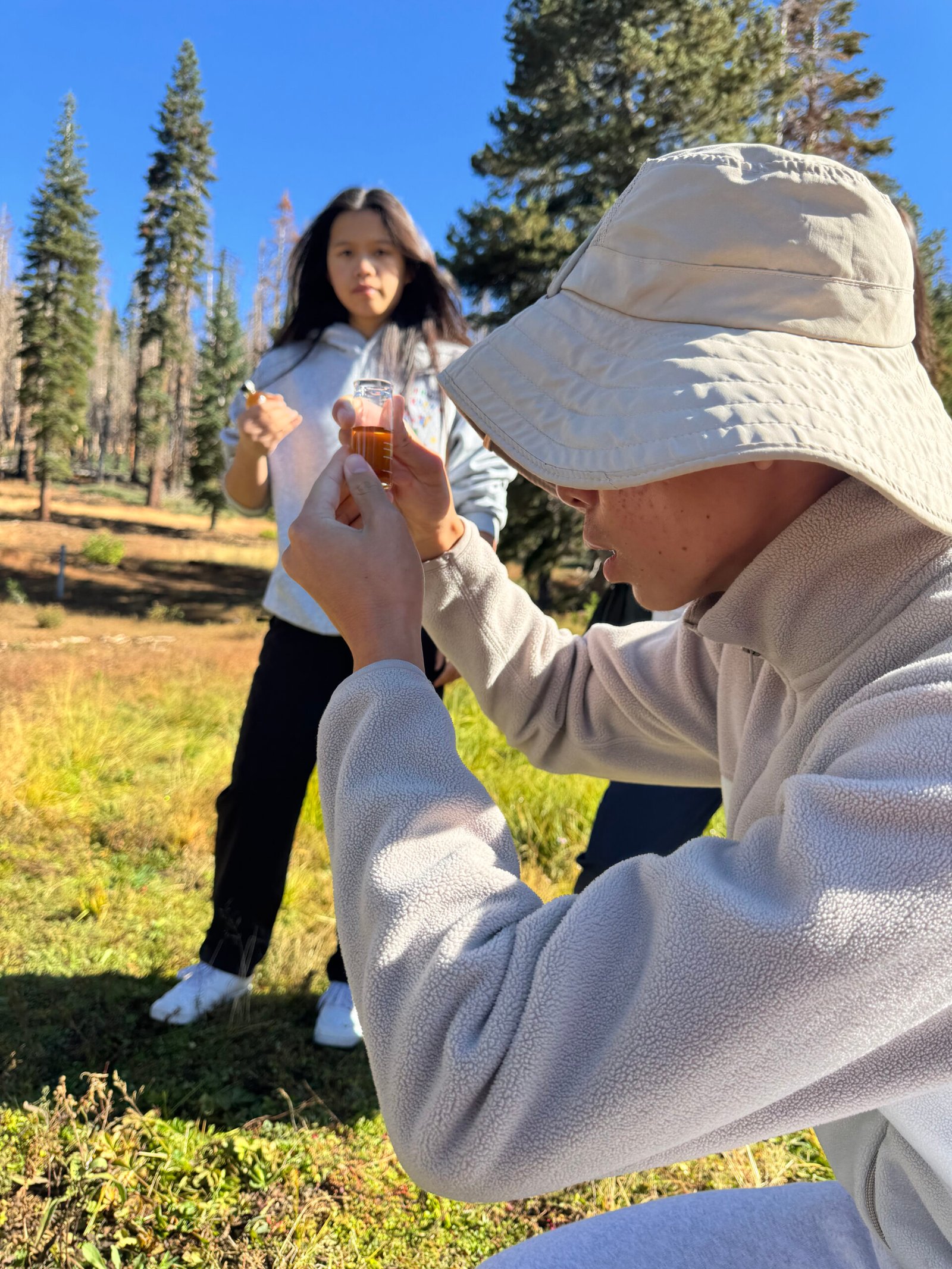
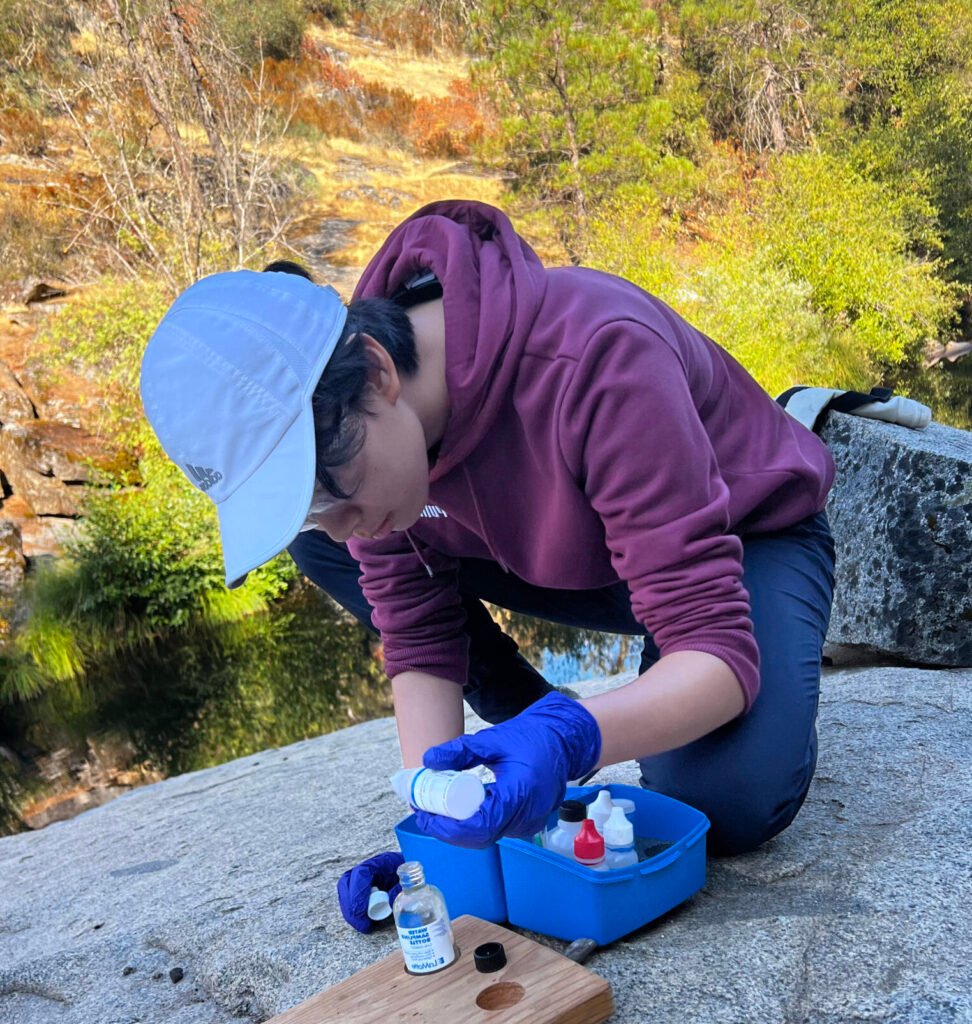
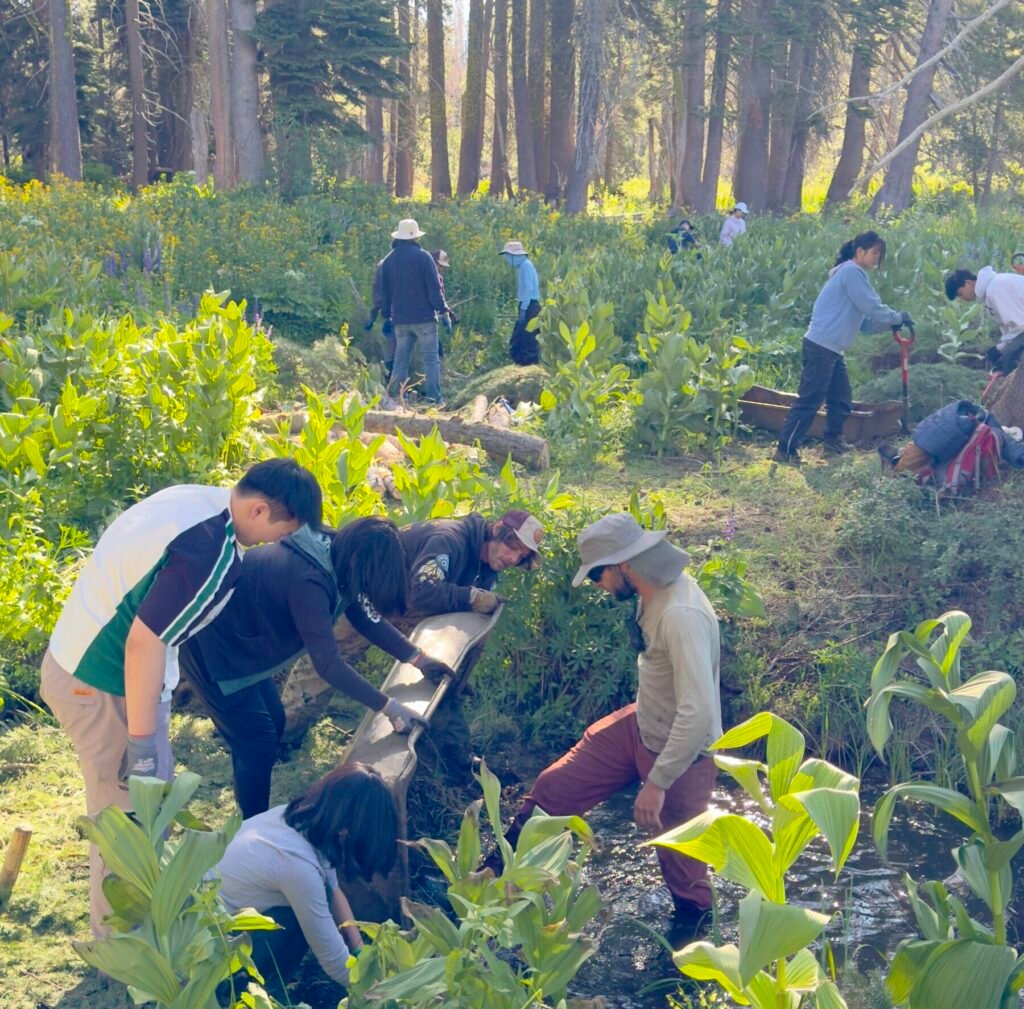
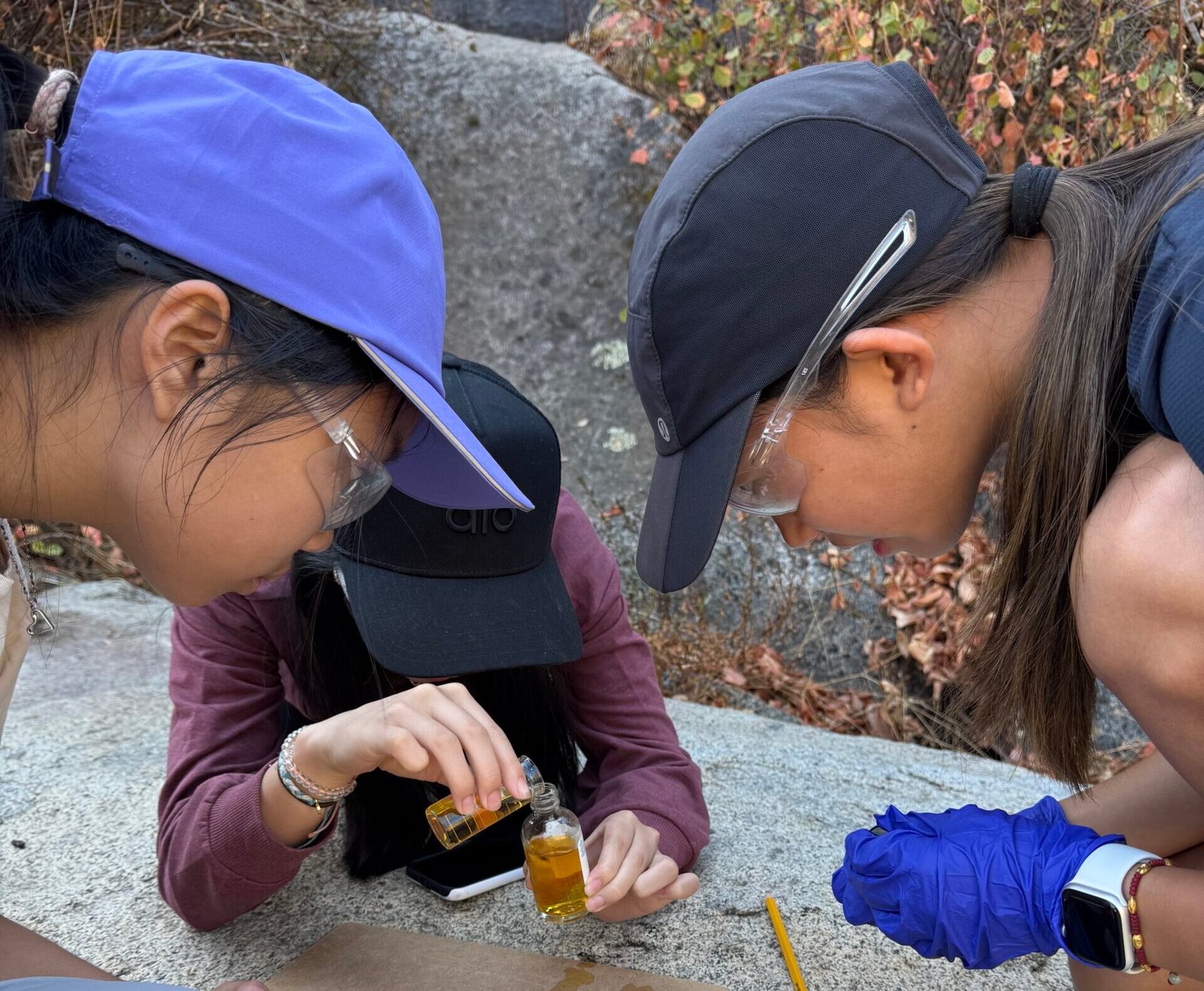
We measured temperature, pH, conductivity, as well as dissolved oxygen using the Winkler method. Multiple steps and a lot of precision was required to measure dissolved oxygen but I found it most interesting. Mixing chemicals on uneven surface on top of large boulders was challenging, but we somehow managed. Our tests showed healthy water suitable for aquatic life and we also spotted small fishes roaming around which validated our findings.
Overall, this was a very novel and unique experience. I was happy to step outside of my comfort zone and explore something new, interact with nature while contributing to important science research. While we may not see any huge impact of our data collection immediately, the small efforts we put in as a group will accumulate, and over time, we will be able to see the significance of our hard work. Monitoring river water quality is vital to understanding and protecting our ecosystem and our water supply. And the best part? You can get involved too!