Research Analysis: Restoring Stream Function with Beaver Dam Analogs

By Amelia Chow and Jesse Scott. March 30, 2026
Restoring Stream Function with Beaver Dam Analogs
Amelia Chow¹ and Jesse Scott²
¹Mountain View High School, ²University of Florida

Summary

Although beaver dam analogs (BDAs) are often used in stream restoration, their effectiveness is almost never quantitatively evaluated. This study investigates whether or not BDAs measurably improve ecological conditions in degraded stream systems. We hypothesized that reaches with BDAs would show improved hydrologic conditions and increased vegetation and biodiversity compared to pre-restoration conditions and reaches without BDAs. Data from Faith Valley Meadow in the Sierra Nevada, California, was analyzed by comparing pre-restoration measurements from 2016 and post-restoration measurements from 2024. Reaches 1-3 were the experimental groups that contained BDAs while Reach 4 was left untreated and acted as the control group.

The experimental group showed increased channel width and depth, indicating reduced channel incision and increased sediment deposition. Slow-water habitats, like dam pools and side channels increased, suggesting enhanced floodplain connectivity and habitat complexity.
Vegetation also increased, with increases in sedges, rushes, and wetland species, and decreases in bare ground. In contrast, the untreated control reach showed decreases in channel stability and connectivity. However, biological variables, including dissolved oxygen levels and fish presence, showed limited improvement.

Overall, the results support the hypothesis that BDAs can replicate some key ecological functions of natural beaver dams by slowing water flow, retaining sediment, and improving habitat conditions. This study also suggests that biological recovery occurs more slowly than physical changes, and that reaches without BDAs may continue to degrade.

Introduction

Stream ecosystems support diverse plant and animal species, and provide essential ecosystem services including water filtration, flood reduction, and nutrient cycling. (Verdonschot 2023) Certain organisms, known as ecosystem engineers, physically modify their environment in
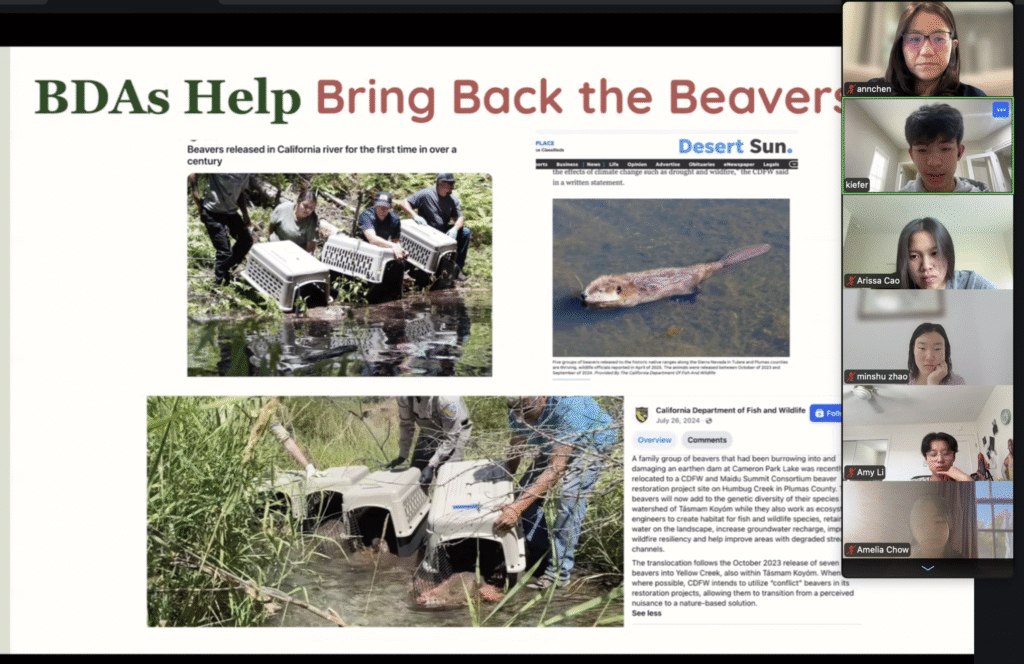
ways that influence ecological processes. Beavers are a classic example of ecosystem engineers, as their dams alter stream channels and create new habitats for aquatic and riparian organisms (Brazier 2020).

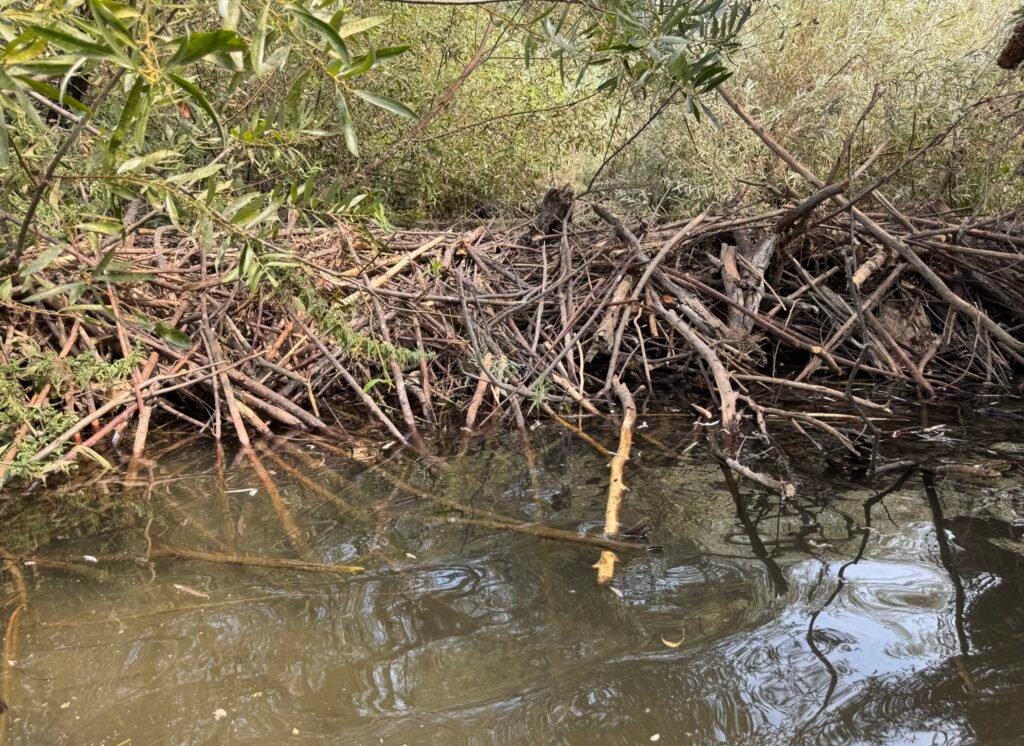
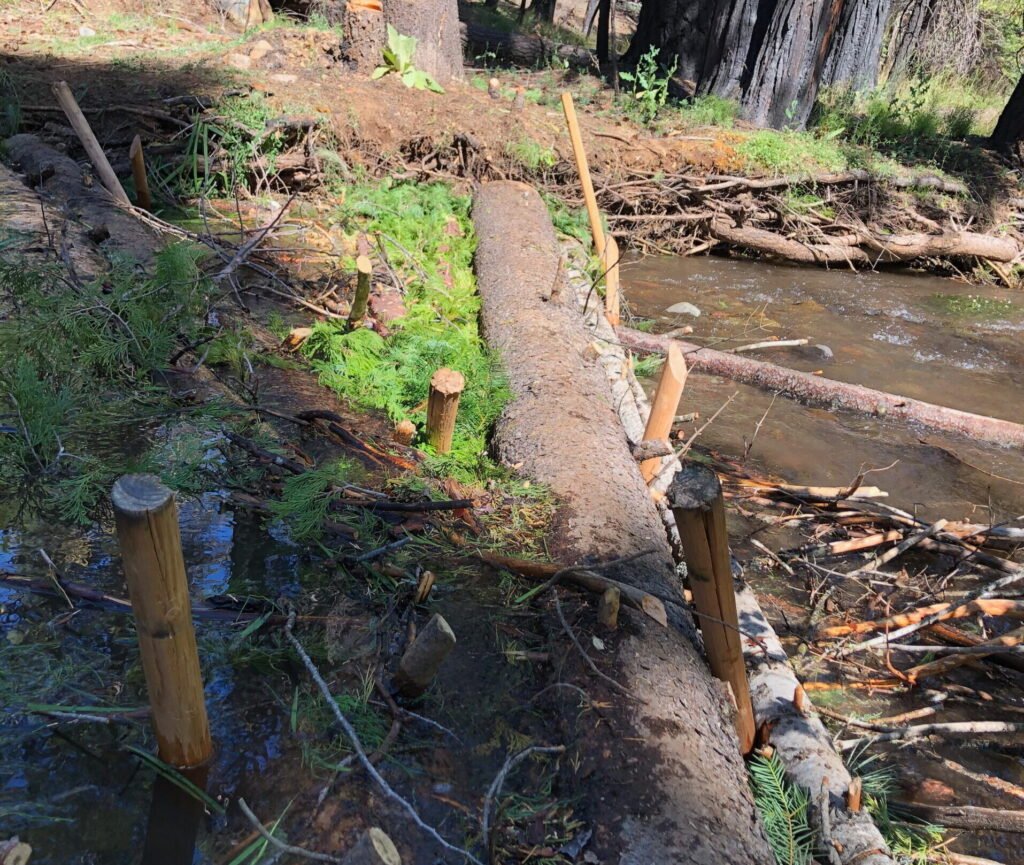
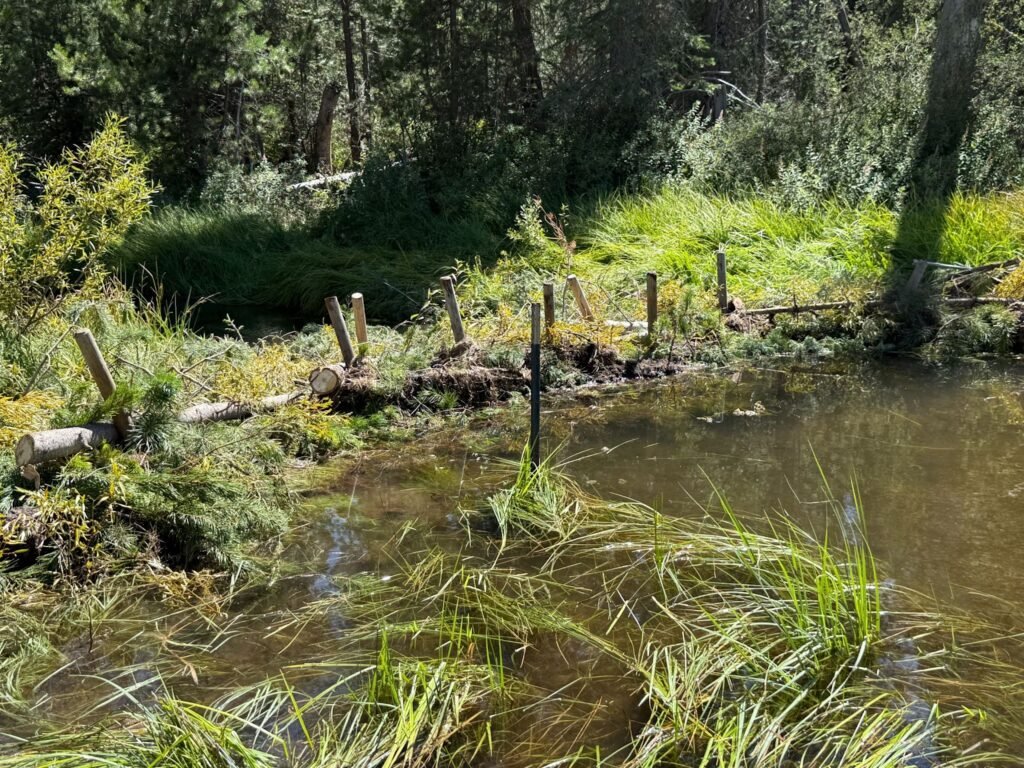
Beaver dams modify hydrology by slowing water movement and increasing the amount of surface water stored in pools and wetlands (Brazier 2021). Slower water flow allows sediments and organic matter to settle (Brazier 2021), helping to rebuild streambeds, prevent erosion, and create more complex habitat structures. These changes improve habitat for fish, amphibians, and aquatic invertebrates (Bouwes 2016). Additionally, beaver dams increase habitat diversity and support biodiversity by creating a variety of aquatic and riparian environments within a stream system (Verdonschot 2023). Because of their ability to restore key ecological processes, natural beaver dams are often considered the ideal model for stream restoration (Verdonschot 2023). In areas where beavers are scarce, restoration practitioners build BDAs using wooden posts, branches, and other natural materials placed across stream channels. BDAs slow water flow, raise water tables, reconnect streams to their floodplains, and encourage vegetation growth (Neace, 2023). Because they are relatively low-cost and nature-based, BDAs have become an increasingly popular tool for restoring degraded stream systems (Meyer 2025).

Previous research has shown that BDAs can influence water quality and ecosystem processes. In southern Idaho, researchers studied the effects of BDAs on water quality and soil health in an intermittent stream. They hypothesized that BDAs would slow stream velocity, trap
water and sediment, and increase soil moisture by reconnecting streams with their floodplains. Their results showed some support for these hypotheses. While BDAs did not significantly increase eutrophication risk or reduce dissolved oxygen levels, they did increase soil moisture
and microbial biomass in nearby soils, suggesting that BDAs can improve some aspects of ecosystem function even during drought conditions (Neace 2023).

Although many restoration projects now use BDAs, realitively few have been evaluated quantitatively. Monitoring data are often collected but not fully analyzed to determine whether restoration structures improve ecological conditions. As a result, scientific evidence proving the effectiveness of BDAs in restoring stream ecosystem processes and habitat quality still is limited. This study investigates whether beaver dam analogs measurably improve ecological conditions in restored stream systems. It is hypothesized that sites containing BDAs will exhibit increased vegetation establishment and improved hydrologic indicators compared to pre-restoration conditions or untreated reaches. Our analysis suggests that BDAs promote vegetation growth, increase biodiversity, and enhance water retention, indicating that these structures can replicate key ecological functions of natural beaver dams.

Results

The results of this study show that BDAs produced significant ecological improvements in degraded meadow stream systems. Comparing pre-restoration data from 2016 to post-restoration data from 2024 at Faith Valley Meadow reveals increased habitat complexity,
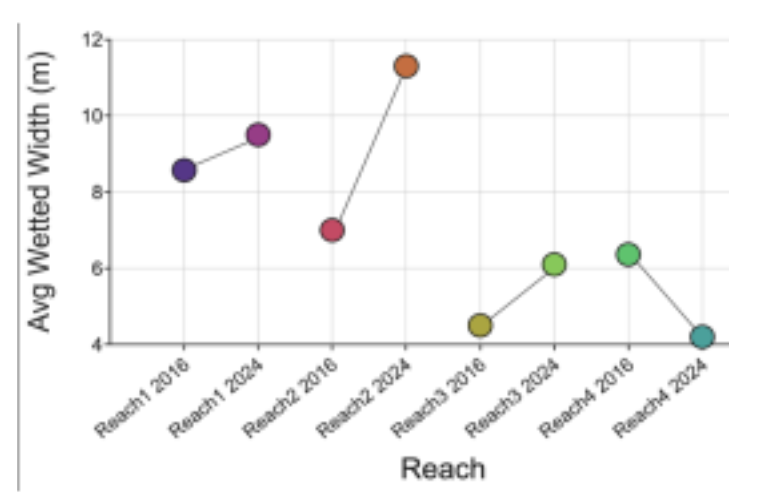
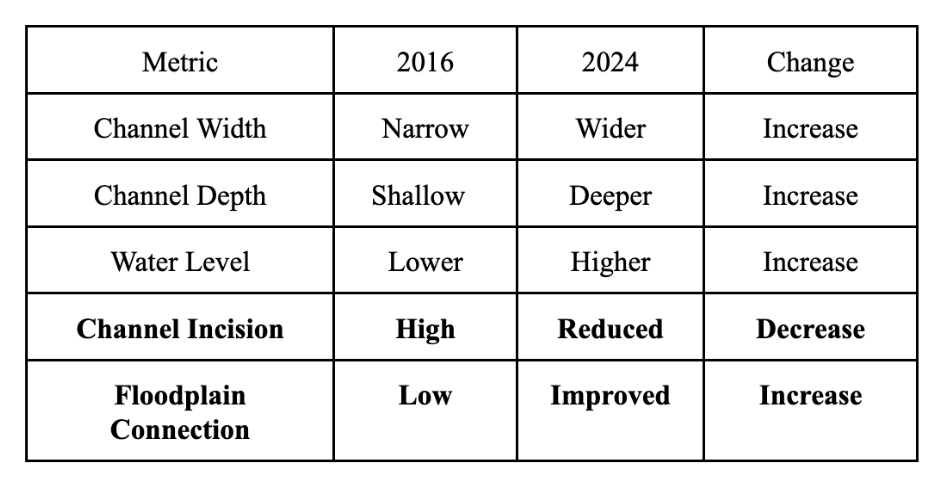
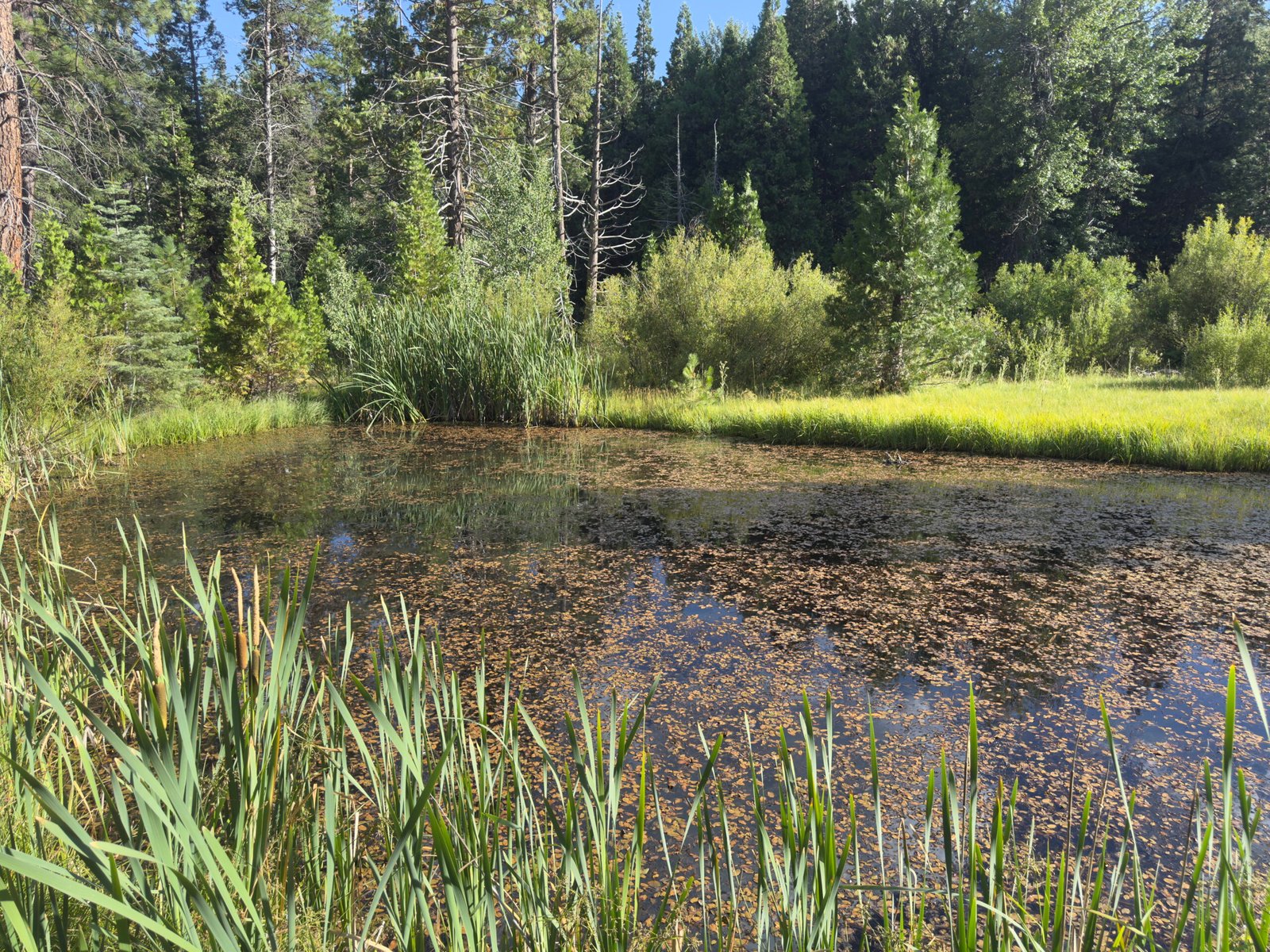
improved hydrology, and enhanced floodplain connectivity. After restoration, slow-water habitats such as dam pools increased from very low in 2016 to high in 2024, and side channels also increased. Channel geometry improved, with the average wetted width in Reach 1 increasing from 8.57 m to 9.5 m and from 7 m to 11.3 m in Reach 2.

Figure 1: Change in average wetted width of the reaches after 8 years. The average bankfull depth increased from 0.54m to 0.63m in Reach 1 and from 0.5m to 0.83m in Reach 2.
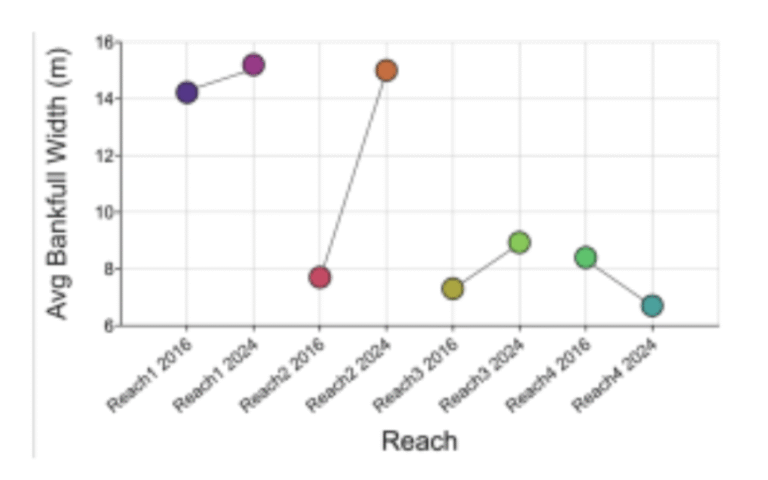
Figure 2: Change in average bankfull width of reaches. BDAs slowed water flow and promoted sediment deposition, raising the streambed and reducing channel incision. Improved floodplain connection allowed water to spread more broadly across the meadow.
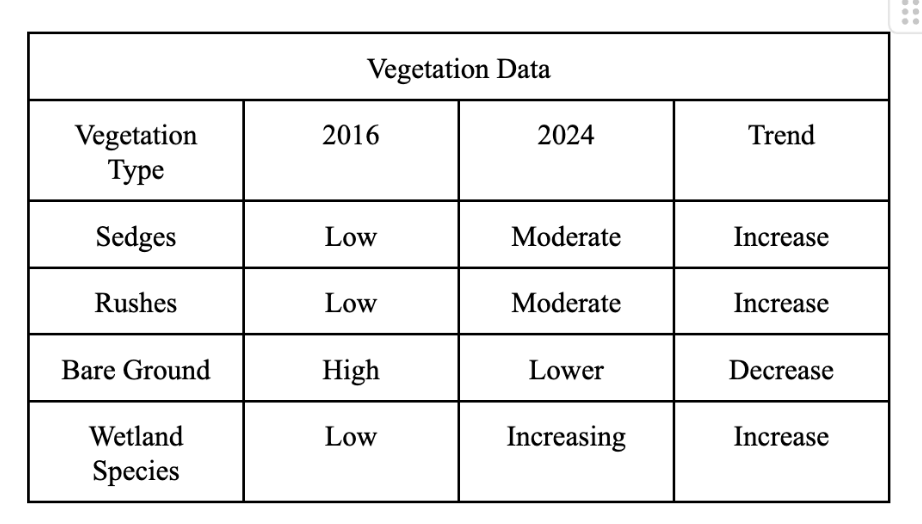
Table 1. Vegetation Data. Sedges increased from low to moderate abundance, rushes also increased from low to moderate, and bare ground decreased. Wetland species in Reach 3 increased, indicating enhanced moisture conditions and habitat suitability. However, Reach 4, the control group, experienced declines in channel stability and connectivity. Though most effects were positive, some measurements decreased.
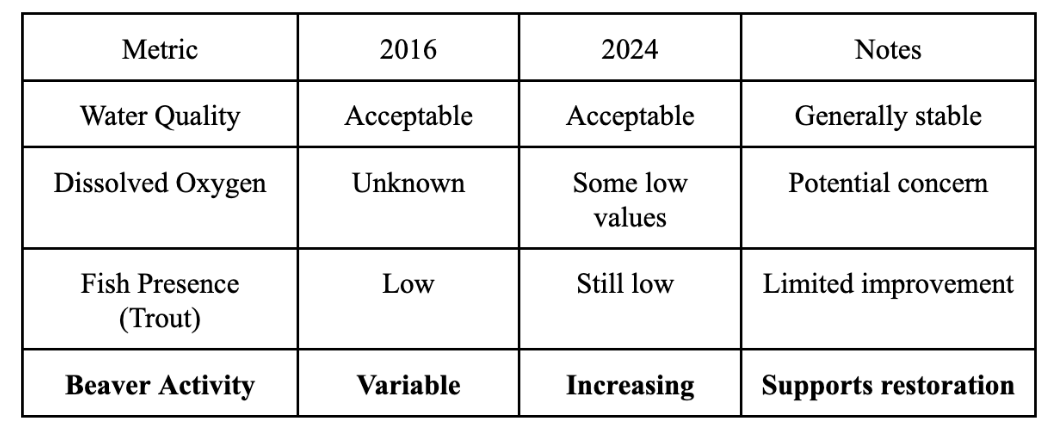
Table 2. Water Quality and Biology. Dissolved oxygen was low in certain areas, and fish presence remained low throughout the eight years, suggesting that biological responses may be slower than physical and vegetative recovery. Aquatic life recovery may also be dependent on other factors not addressed by BDA's alone.
Table 3: Channel Changes. BDAs widening channels and Increasing complexity. This effect is likely due to effectively slowing of sediment transport, thus raising streambed and promoting connectivity between river channels.

Discussion: 

The patterns observed in this study indicate that BDAs are able to significantly alter both the physical structure and ecological function of a stream system. The increases in wetted width (from 7 m to 11.3 m in reach 2) and bankfull depth (from 0.5 m to 0.83 m in reach 2), along with the increase in dam pool presence, suggest that water is being slowed and retained within the system. These results support that BDAs promote sediment deposition, which raises the streambed and reduces incision or streambank erosion. As a result, the stream becomes more connected to its floodplain, allowing water to spread laterally rather than being confined to a single, incised channel. The increase in side channels further reflects this improved connectivity and greater channel complexity. 


These results demonstrate that BDAs can restore key geomorphic and hydrologic processes in degraded meadow streams. The observed increases in slow-water habitats, channel size, and vegetation all points toward a more functional and stable ecosystem. However, not all responses are immediate or uniform. For example, while physical habitat improved significantly, biological indicators such as fish presence remained low, and dissolved oxygen levels were sometimes concerning. This suggests that ecosystem recovery occurs in stages, with physical and hydrologic changes happening first, followed by slower biological responses. 

The findings are consistent with current scientific understanding of beaver-based restoration. Previous studies have shown that natural beaver dams and BDAs slow water, trap sediment, and reconnect streams to their floodplains, which aligns with the increases in width, depth, and vegetation observed in this study. The increase in wetland vegetation, such as sedges and rushes, along with decreased bare ground, supports the idea that improved water retention enhances soil moisture and promotes plant growth. Additionally, the contrast between treated reaches (1–3) and untreated Reach 4 highlights the importance of these structures; Reach 4 showed declines in stability and connectivity, reinforcing the role of BDAs in maintaining stream function. 

This research contributes to our understanding of restoration in Faith Valley Meadow by showing that process-based restoration methods can produce measurable improvements in a relatively short time frame (8 years). It also demonstrates that restoration success depends not only on initial implementation but on continued maintenance, especially in dynamic systems subject to disturbances like the 2023 flood. These findings suggest that BDAs are a viable, sustainable tool for restoring degraded meadow streams, but long-term monitoring is necessary to fully understand their impact on biological communities and ecosystem resilience. 

Materials and Methods 

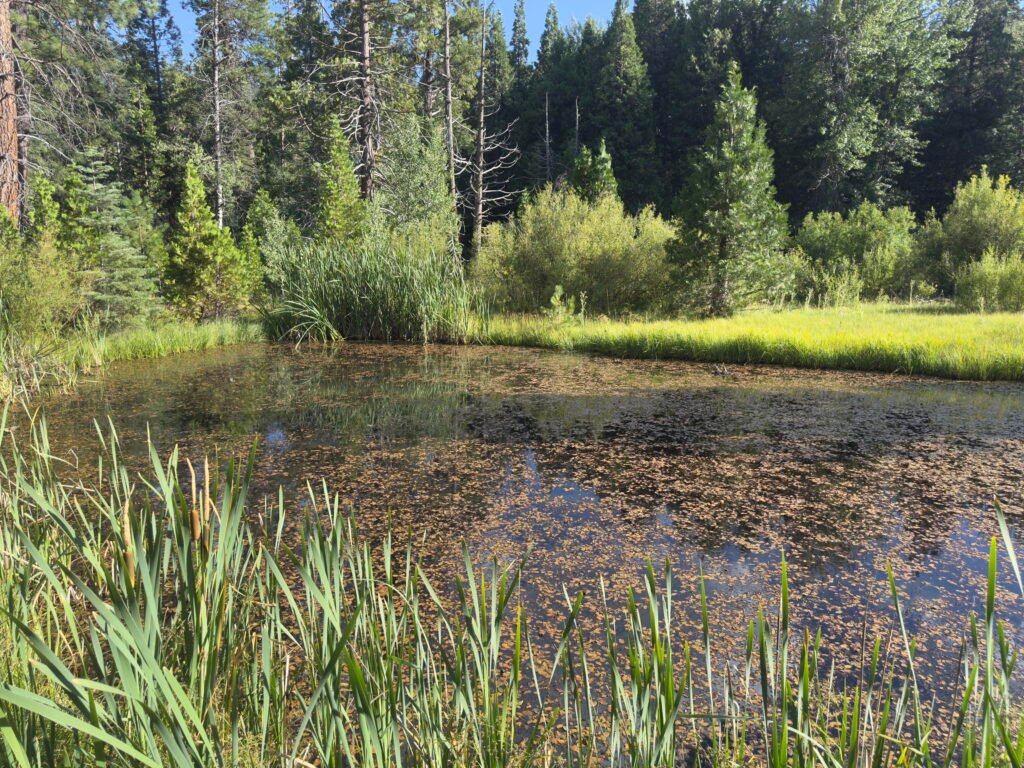
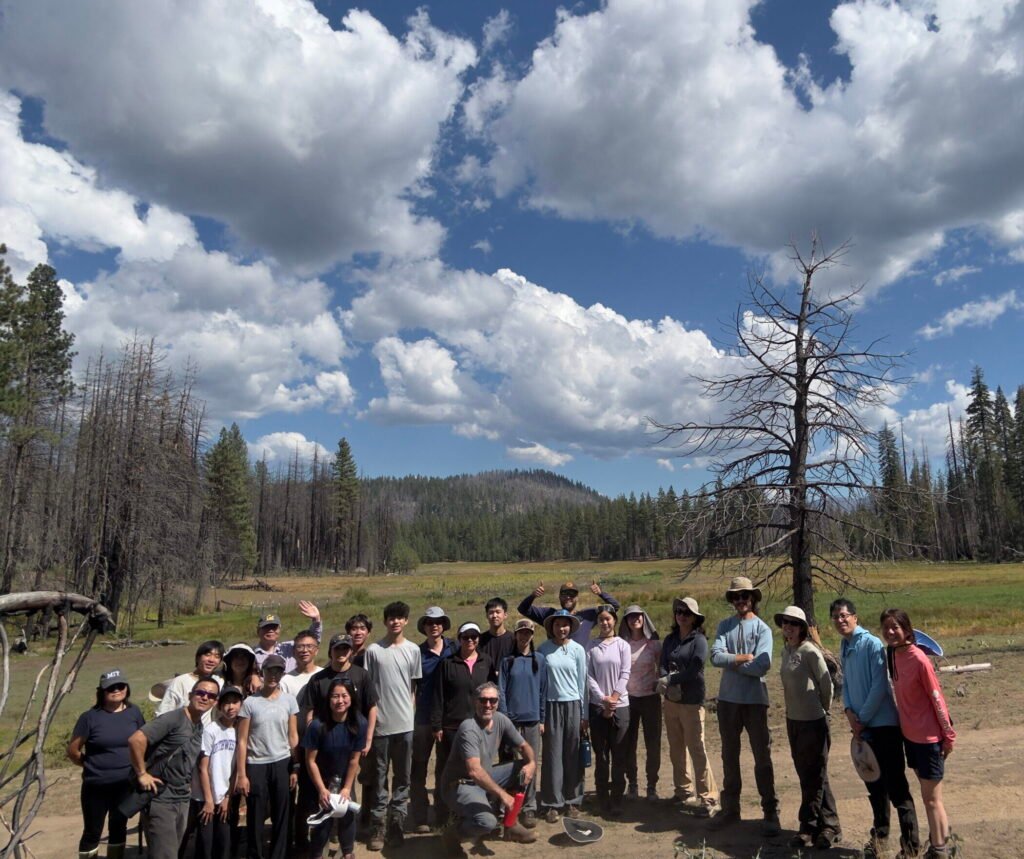
This study was conducted in the Faith Valley Meadow by Sabra Purdy and Trout Unlimited (on behalf of American Rivers) on the West Fork of the Carson River near Hope Valley, Sierra Nevada, California. The meadow sits at approximately 7,500 feet in elevation. In

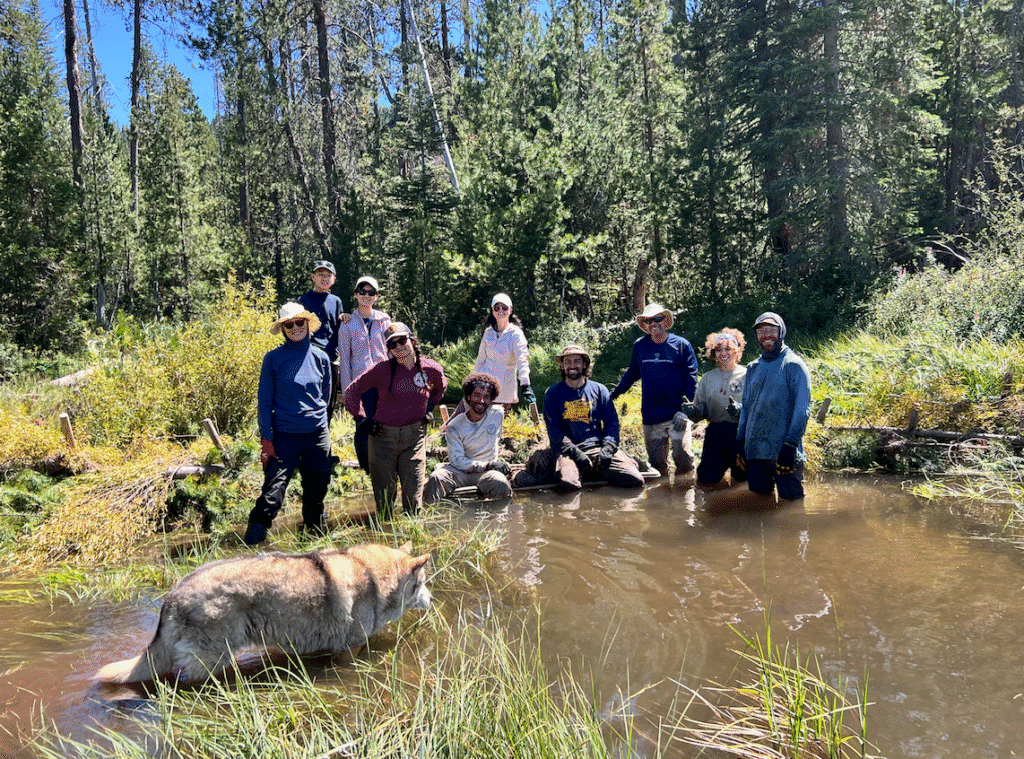
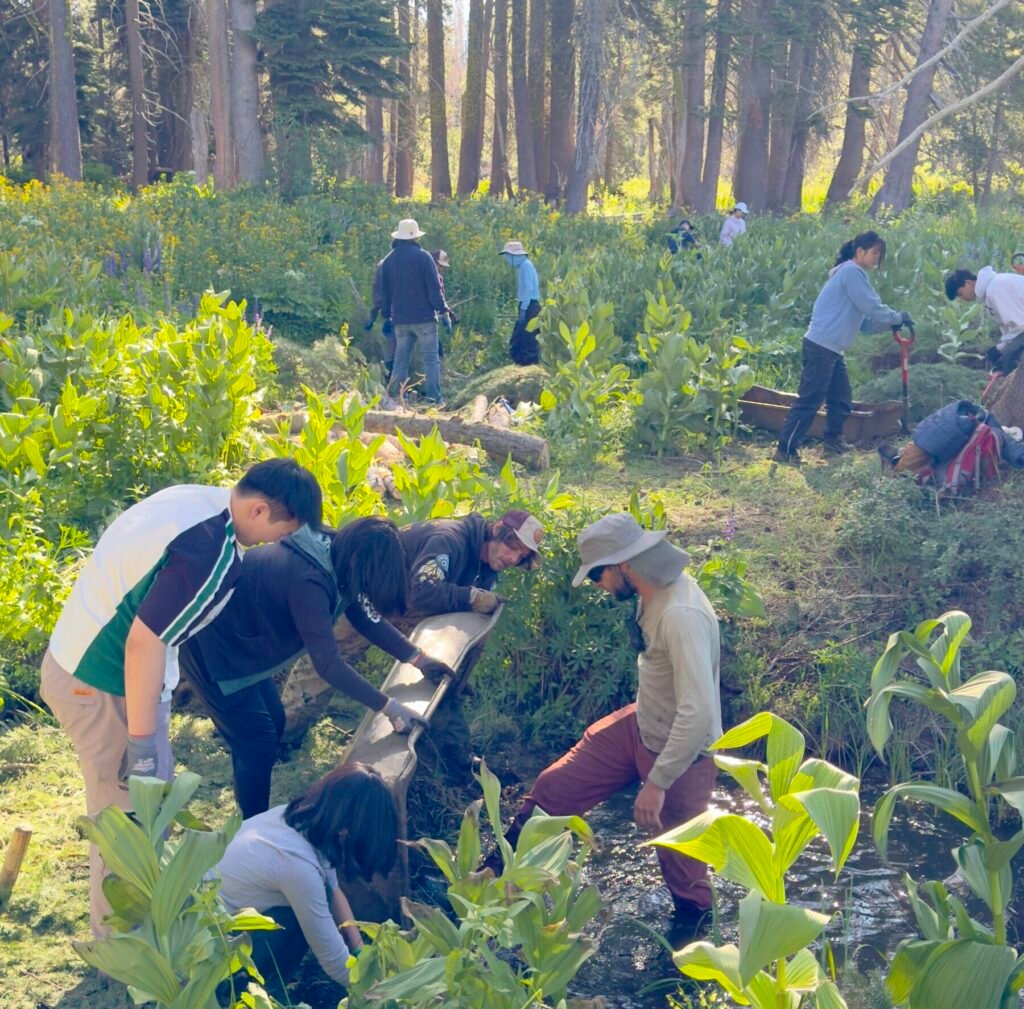
the past, activities such as livestock grazing, logging, and mining damaged the meadow and the stream channel, causing erosion and reducing the stream’s connection to its floodplain. To restore Faith Valley to its original condition, workers installed beaver dam analogs to slow water flow, reconnect the stream to the floodplain, and improve riparian habitat. 

This study used data from the Faith Valley Meadow Post-Restoration report. Researchers

conducted surveys in 2016 and 2024. The 2016 data were recorded before or early in the restoration process, while the data from 2024 were collected several years after restoration and BDA installation. 

The independent variables in this study were the presence or absence of beaver dam analogs and the monitoring year. Dependent variables included quantitative and qualitative data, such as average bankfull width, average wetted channel width, channel incision, floodplain connection, and beaver activity, Researchers organized the extracted data in a Google spreadsheet. 

References 

Neace, H. (2023). Water quality and soil health response to beaver dam analogs in an intermittent stream in southern Idaho (Master’s thesis, University of Idaho). 

Brazier RE, Puttock A, Graham HA, Auster RE, Davies KH, Brown CML. Beaver: Nature’s ecosystem engineers. WIREs Water. 2021;8:e1494. https://doi.org/10.1002/wat2.1494 

Bouwes, N., Weber, N., Jordan, C. et al. Ecosystem experiment reveals benefits of natural and simulated beaver dams to a threatened population of steelhead (Oncorhynchus mykiss). Sci Rep 6, 28581 (2016). https://doi.org/10.1038/srep28581 

Verdonschot, P.F.M., Verdonschot, R.C.M. The role of stream restoration in enhancing ecosystem services. Hydrobiologia 850, 2537–2562 (2023). https://doi.org/10.1007/s10750-022-04918-5 

Meyer S, McCormick JL, Copeland T and Young A (2025) Ecological benefits and risks to native salmonids from beaver dam analogs. Front. Ecol. Evol. 13:1683942. doi: 10.3389/fevo.2025.1683942