Transforming Degraded Mountain Meadows into Remarkable Carbon Sinks: Restoring Deer Creek Headwaters at Child’s Meadows North
By Arissa Cao. July 28, 2025.
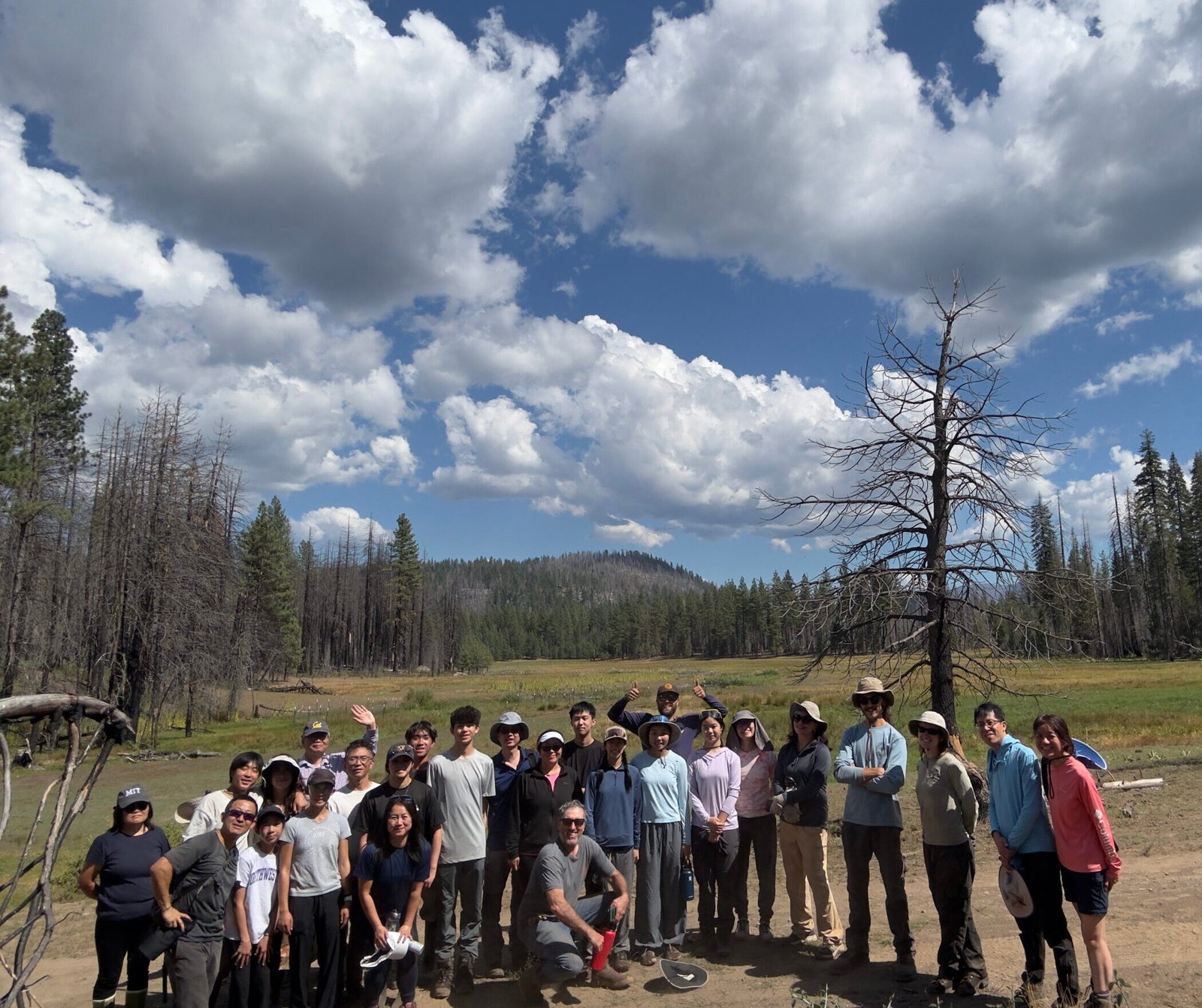
On July 28th, Eco-Engineering went out to help at Child’s Meadows alongside Symbiotic Restoration’s team. It was wonderful to see the community come out, with 22 volunteers contributing 77 hours of service altogether!
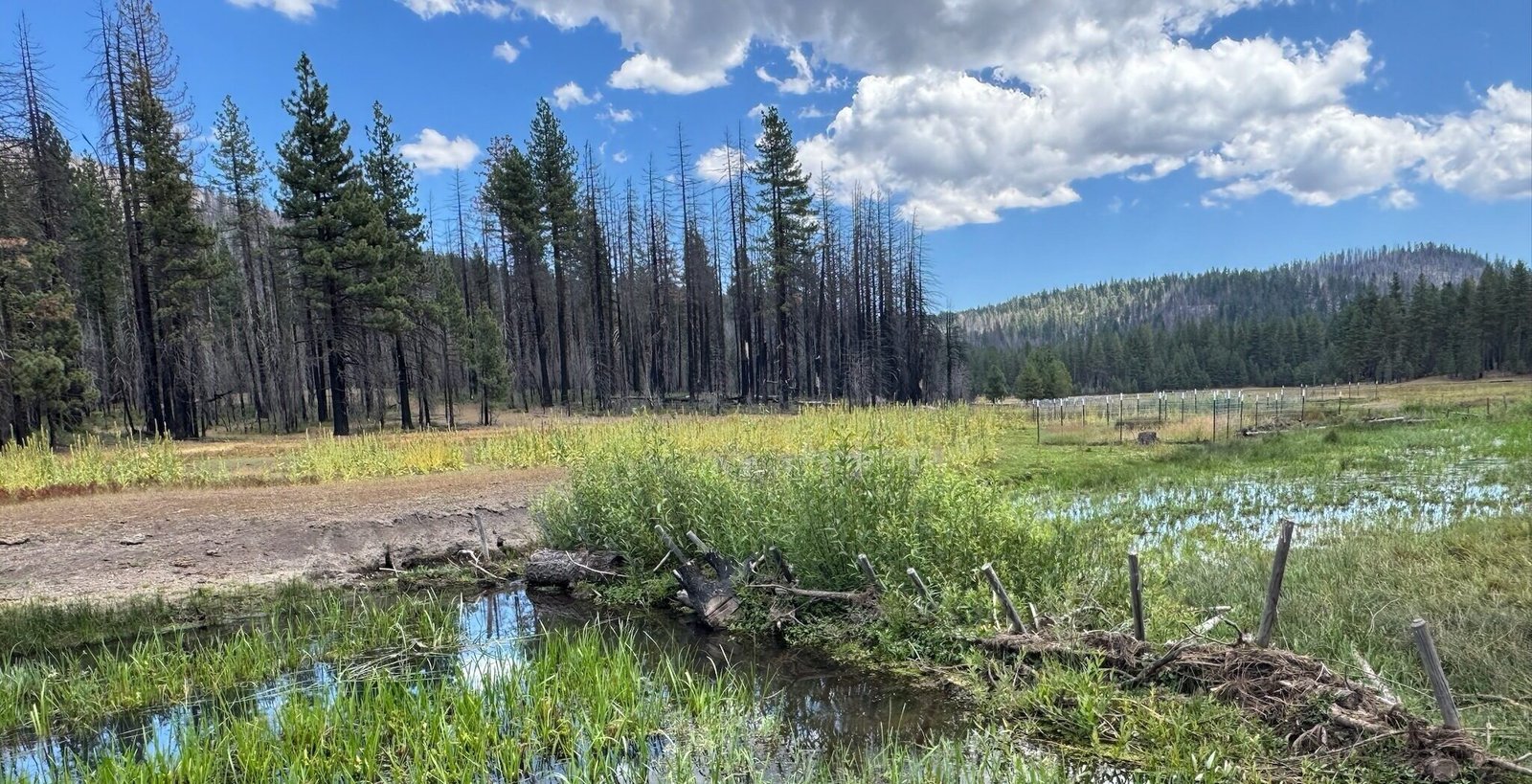
Child’s Meadows is one of California’s most important restoration sites. With its location between two mountain ranges, it provides a habitat to many endangered species and various species use it as an area to adjust to seasonal climate change. However, it has been degrading due to over-grazing, wildfire impact, and the removal of native beavers. Creating BDAs (Beaver Dam Analogs) aims to bring back wetlands (by slowing water flow and raising groundwater levels), which serve as natural wildfire protection and an ecosystem to host many organisms.
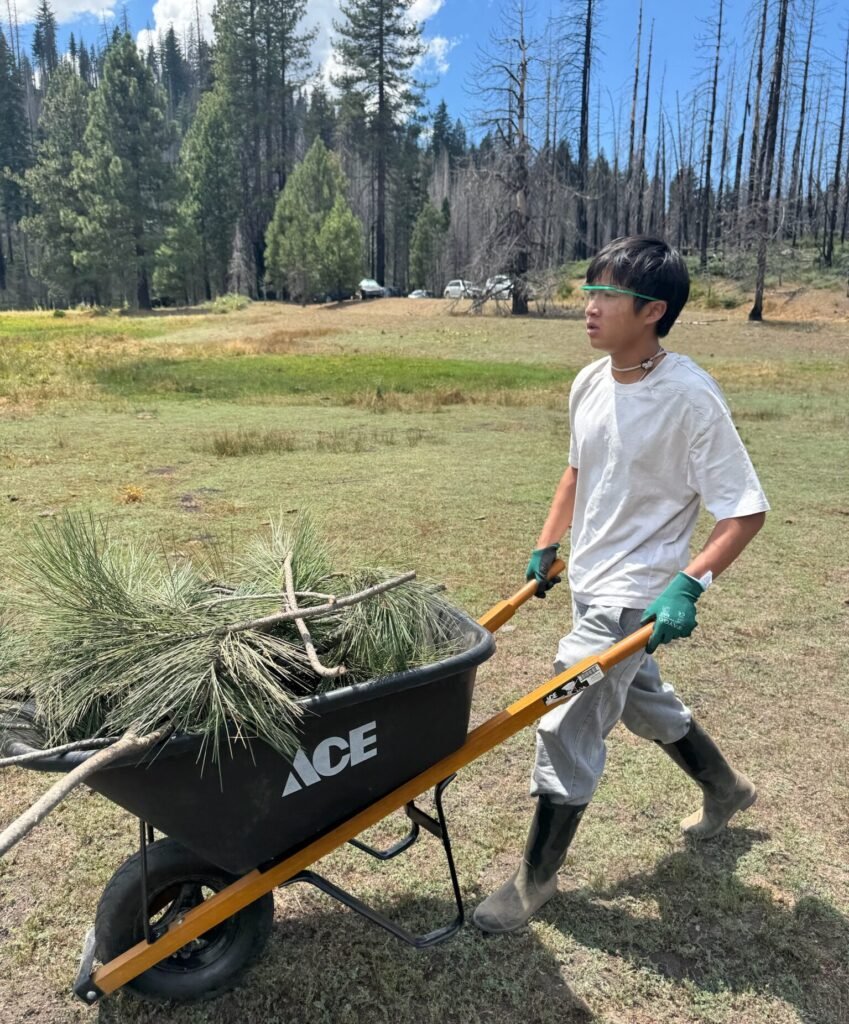
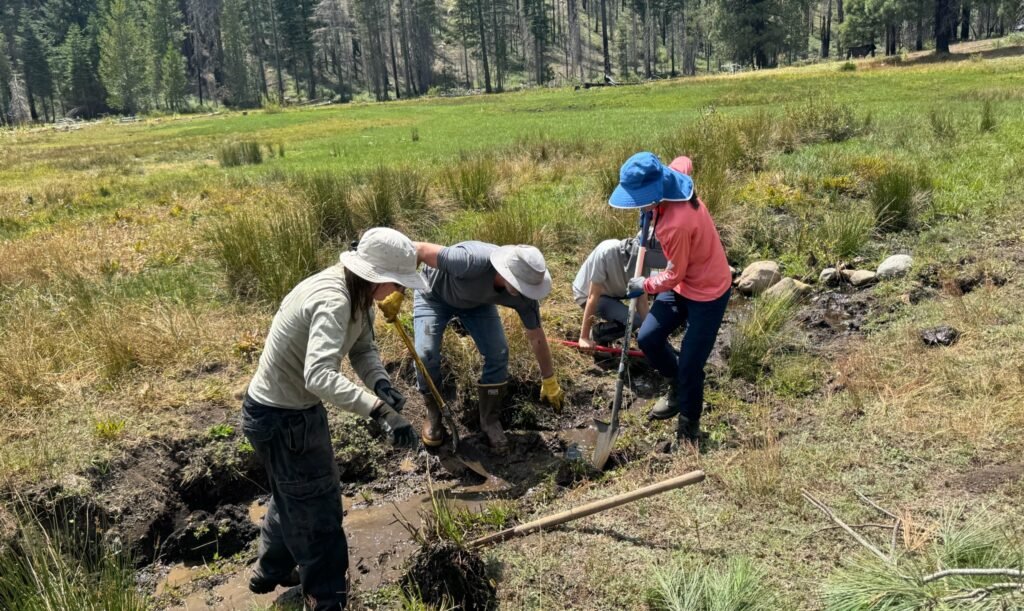
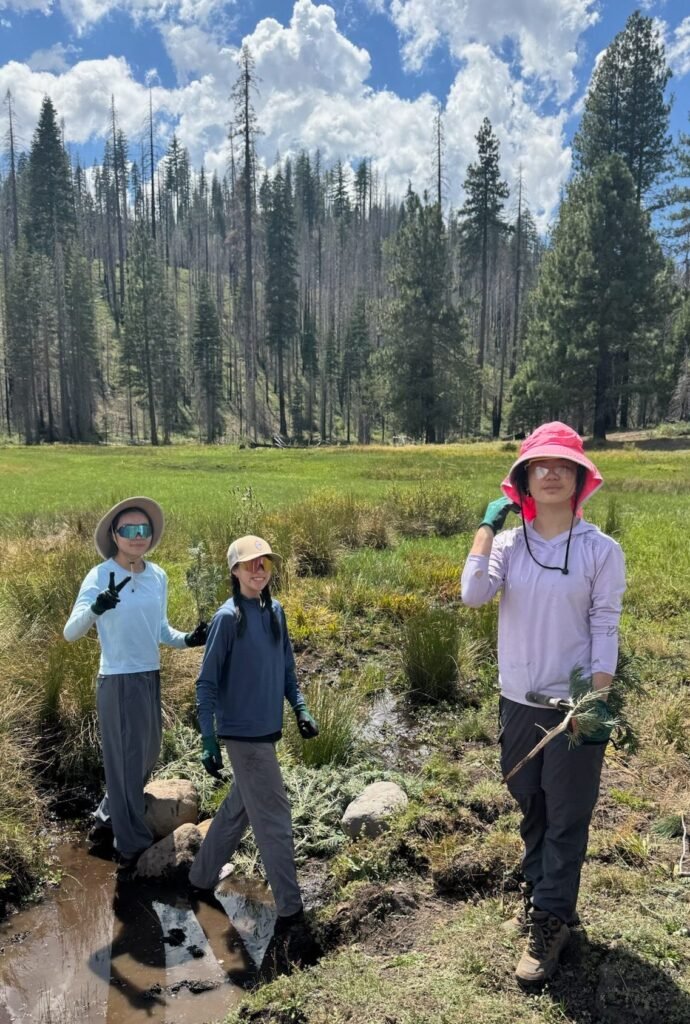
From learning how to build beaver dams to spotting wildlife, everything kept us excited. After Garret and his team taught us what branches to get and the purpose of building beaver dams, everyone was put to work. We all got dirty, whether we were digging out valuable bio-life from the creek, shoveling dirt, or cutting branches. When building the dams, we practiced the “lasagna” method where we layered dirt and branches to create a durable structure. Crafting dams was a huge team effort, where we collaborated closely and learned the importance of working together to achieve a collective goal.
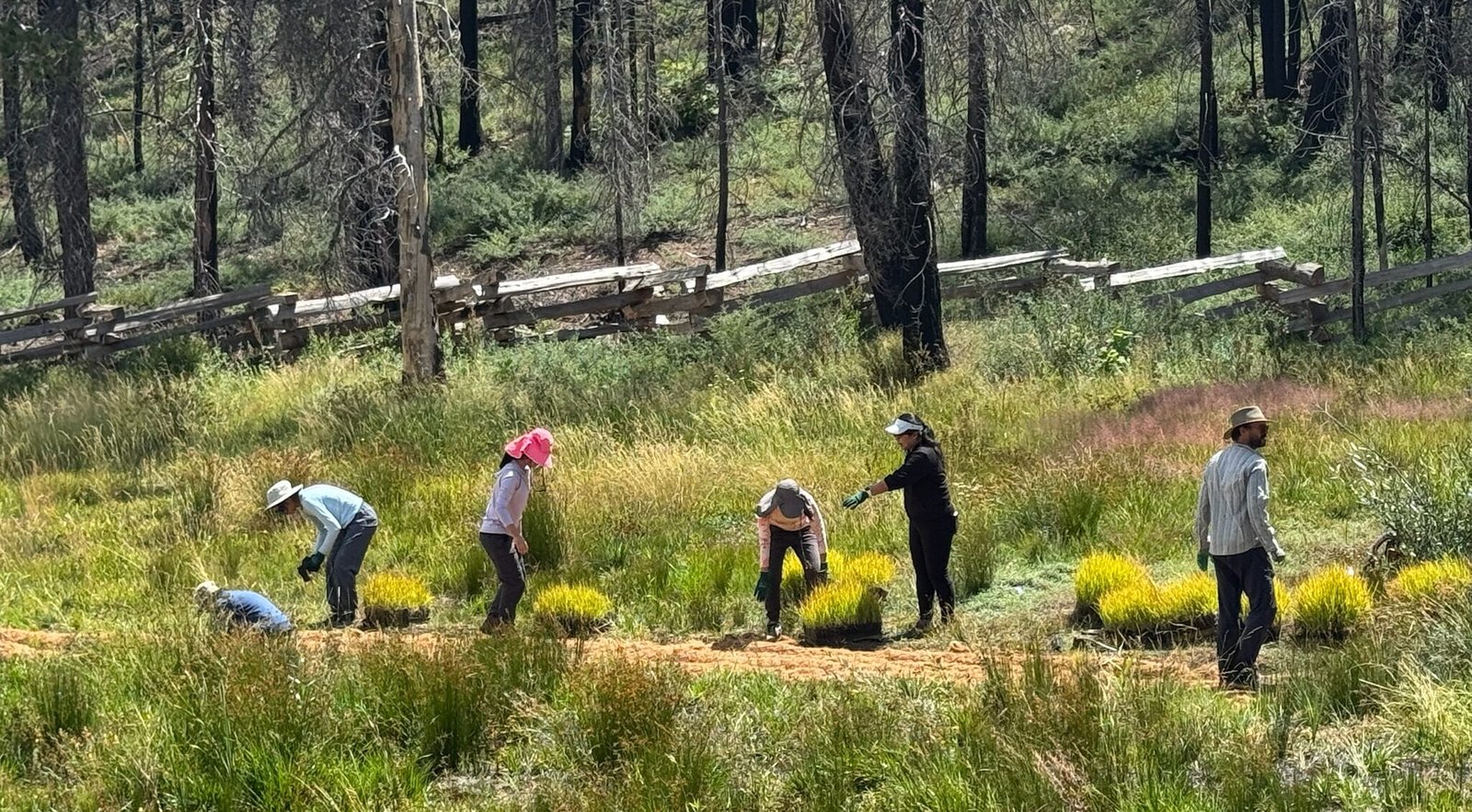
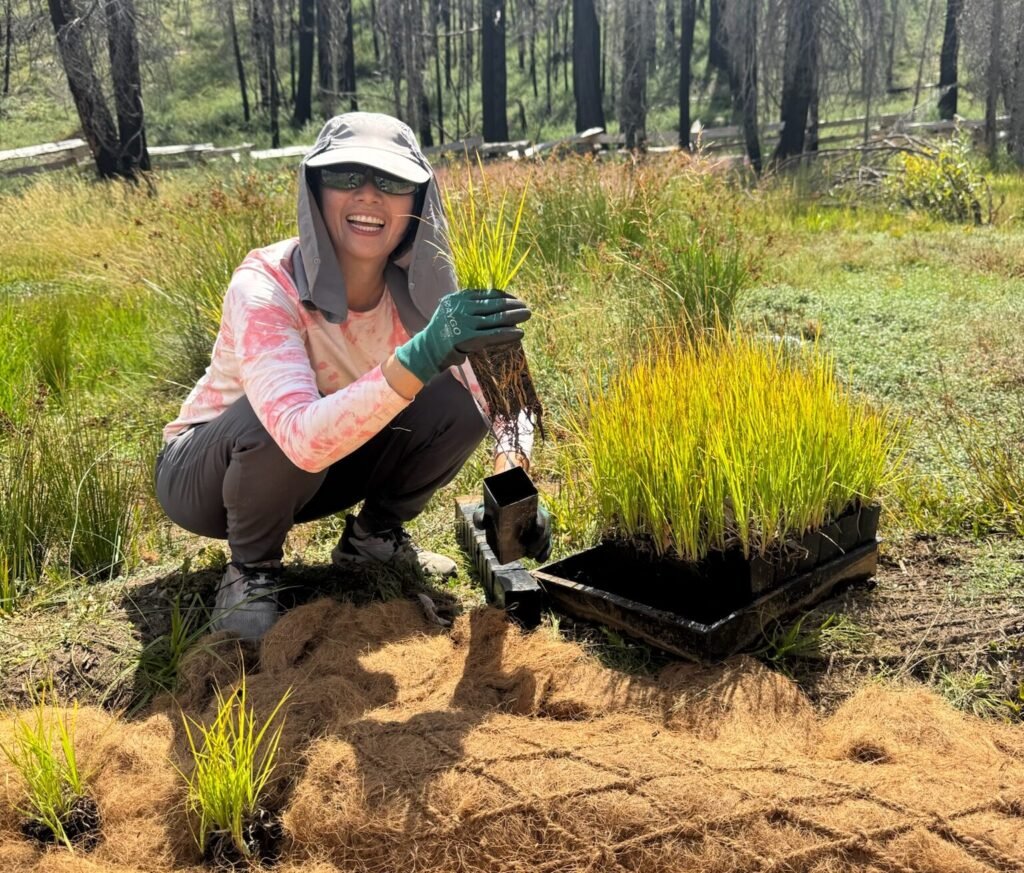
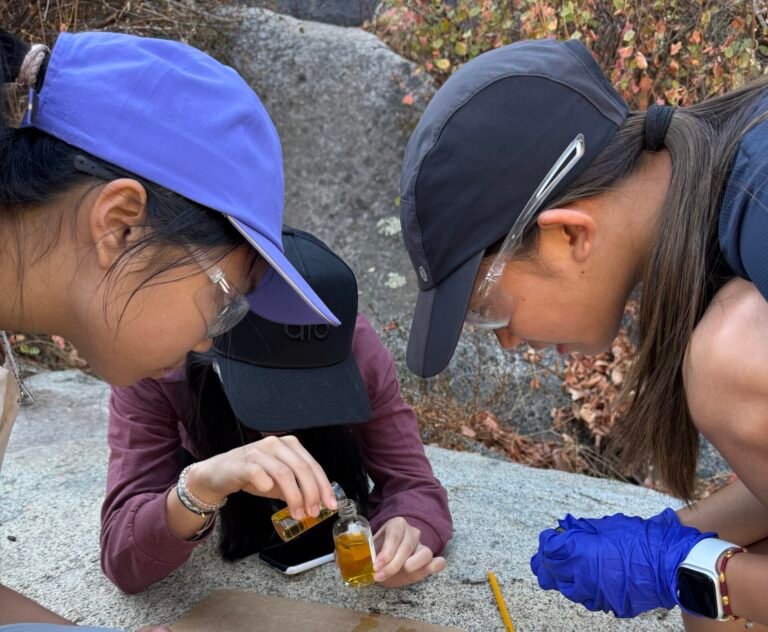
Alongside the BDA construction, the team was given the chance to work in a different area. In groups of four, we were guided to a beautiful, biodiverse hotspot (sheltered from cow grazing) where many had the opportunity to plant sedges in coconut coir (a natural fiber that is extracted from coconut husks) that was harvested internationally! The sedges provide food and shelter for many of the animals while also improving water quality by filtering pollutants. Their roots also prevent erosion and stabilize waterfronts! Here, some saw jumping mice, leeches, dragonfly larvae, and more.
By the end of our time there, we constructed three dams and were able to see an immediate effect! The meadow’s views were incredible, and we also saw the remnant impacts of the 2021 Dixie Fire.
This restoration experience left myself and others in awe at the beauty and magnitude of the California forests. With the opportunities available today, I’ve realized that there are so many ways for us to drive society to become more sustainable and make the environment around us better. I’m looking forward to meeting more people on future trips and can’t wait to head out again!
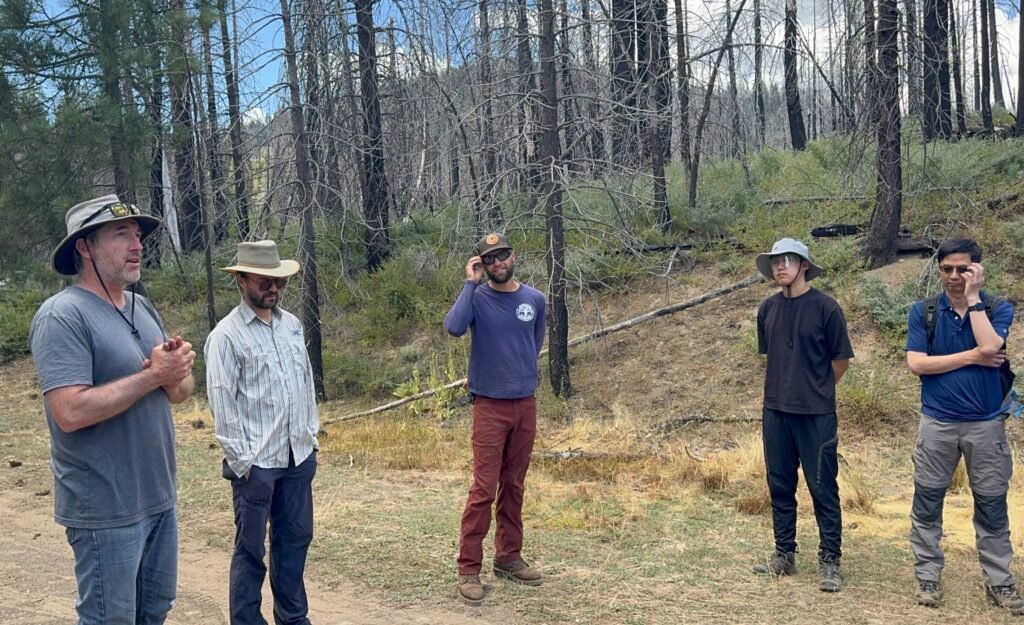
Our partners and expert project advisors (from left to right): Evan Wolf, engineering geologist at Wolf Water Resources, Inc., Ryan Burnett, ecology expert and Director of the Sierra Nevada Group at Point Blue Conservation, and Garrett Costello, beaver dam analog process based restoration expert and Founder of Symbiotic Restoration debriefing our team of volunteers before rolling up our sleeves. We were very fortunate to work together with all of them and learned SO much about the science of ecological conservation and geotechnical engineering from these amazing people!