Partnering with Me-Wuk Youth Tribal Conservation Corps
Kiefer Chow. July 24, 2026
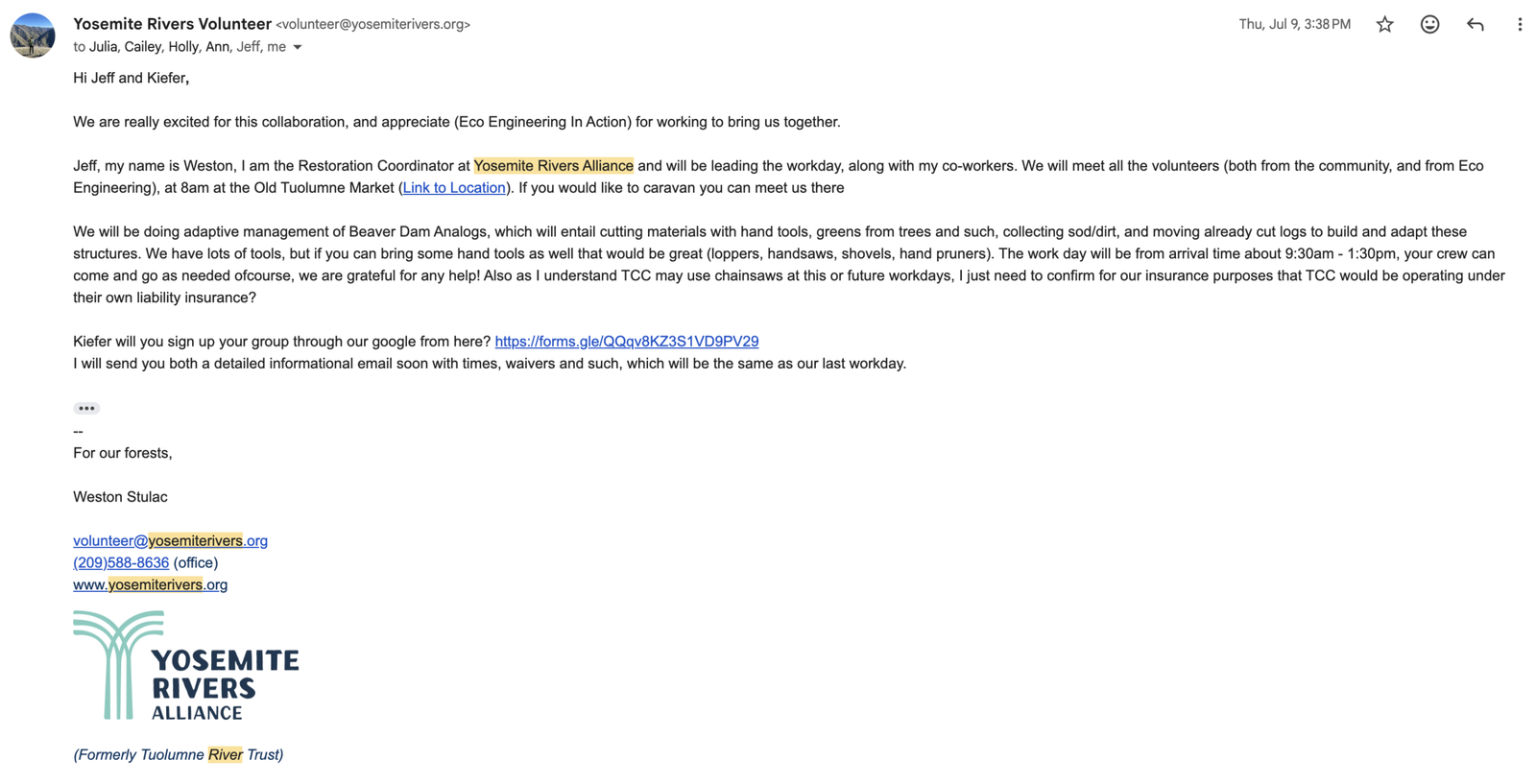
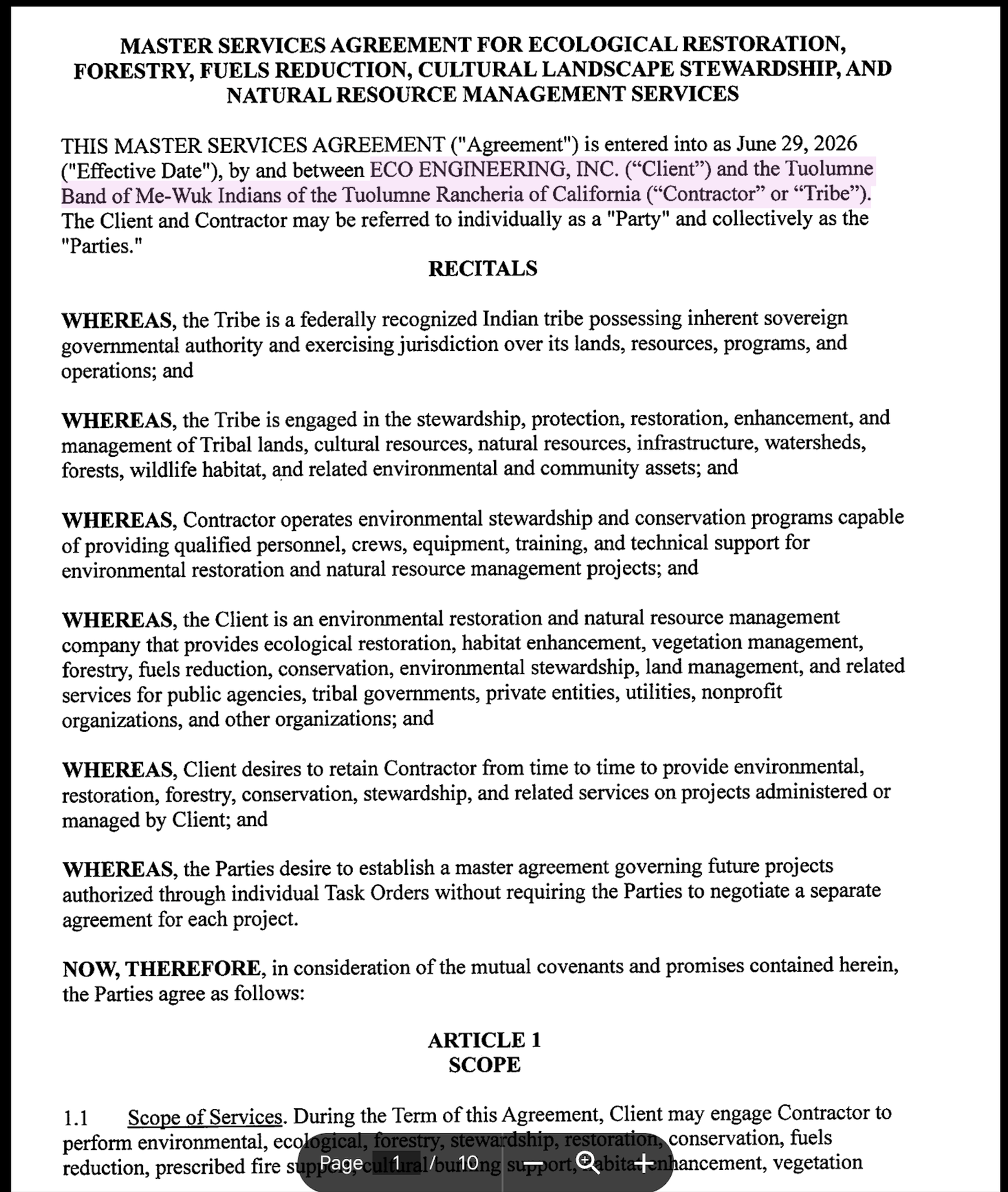
The Tuolumne Band of Me-Wuk Indians is a federally recognized sovereign tribe based on the Tuolumne Rancheria reservation in the Sierra Nevada mountains, near Yosemite National Park. Me-Wuk (also spelled Miwok) is derived from the native word míwûk, meaning “people”. The Me-Wuk Indians have inhabited the Sierra Nevada foothills for thousands of years, living in harmony with the land. Modern efforts often view nature as a stand alone project to be fixed. Conversely, Indigenous stewardship operates on kincentric ecology—the belief that humans, animals (like the beaver), plants, and land are part of an extended ecological family. Integrating the Indigenous voice and generations of lived traditional ecological knowledge (TEK) is therefore essential for building sustainable beaver dam analogs (BDAs) and watershed restoration. When we first embarked on the goal of engaging with Indigenous people, we really did not know how to proceed. Driven by conviction that grassroots support of local conservation efforts was more important than ever in today’s fiscal climate, we forged ahead. We sincerely felt that our organization would have been incomplete without Indigenous engagement. After months of phone calls, emails, and cold contacts that went nowhere, we found Jeffrey, Project Manager at Me-Wuk Tribal Conservation Corps (TCC), who shared our vision for Indigenous stewardship. Together we pushed through bureaucratic paperwork, establishing an official sponsorship contract between Ecoengineering in Action and the Me-Wuk Tribal Youth Conservation Corps. Our goal is community-centered leadership and workforce development for tribal youths exploring careers in firefighting or national park conservation. We also aim to learn from diverse perspectives and deep, localized understandings of regional ecosystems. After a several months, we were elated when our partnership was formalized. Immediately, we quickly connected Weston, Restoration Coordinator from Yosemite River Alliance (YRA), who tried unsuccessful for years to connect with tribal groups. As of today, a contract between YRA and Me-Wuk TCC is in the works!
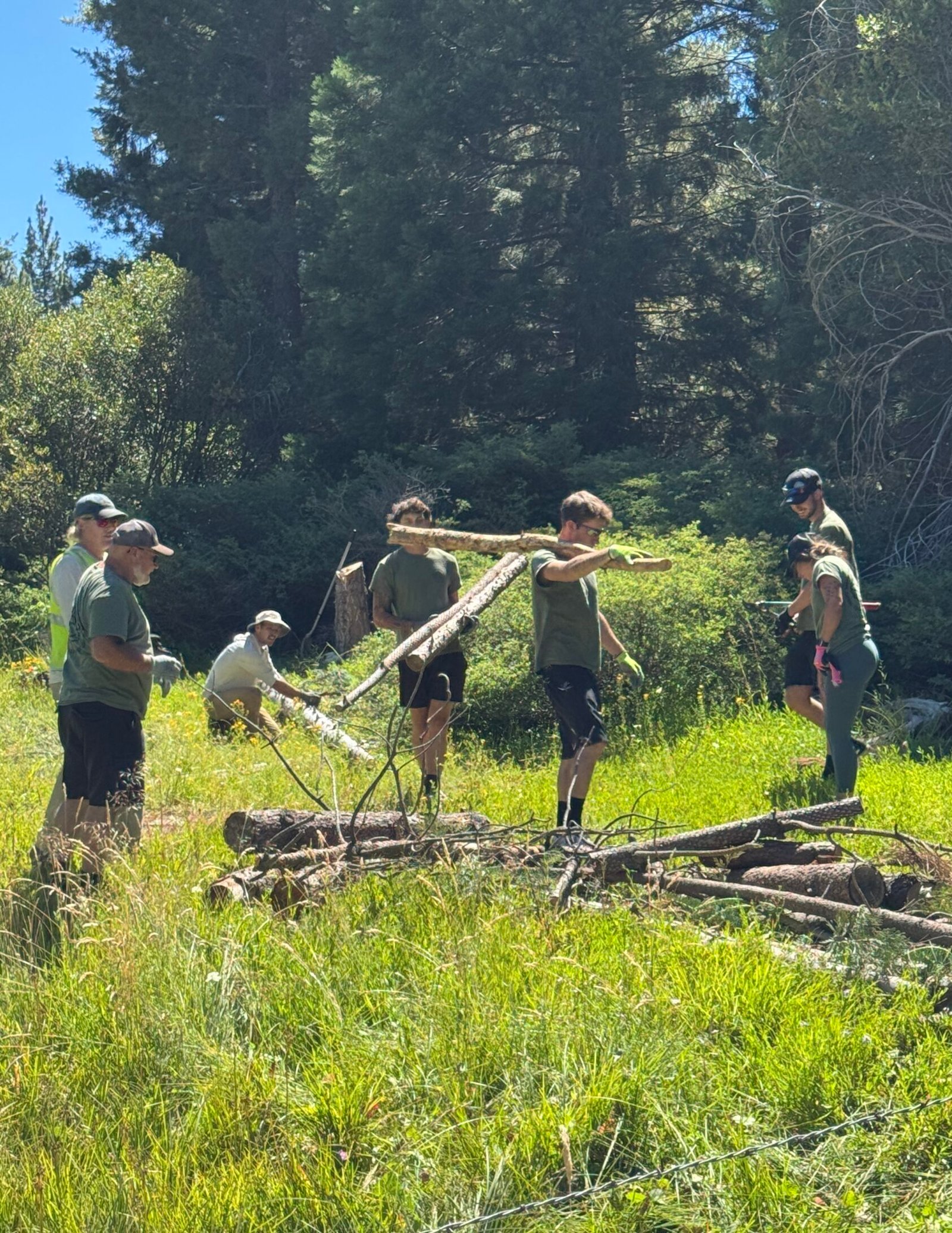
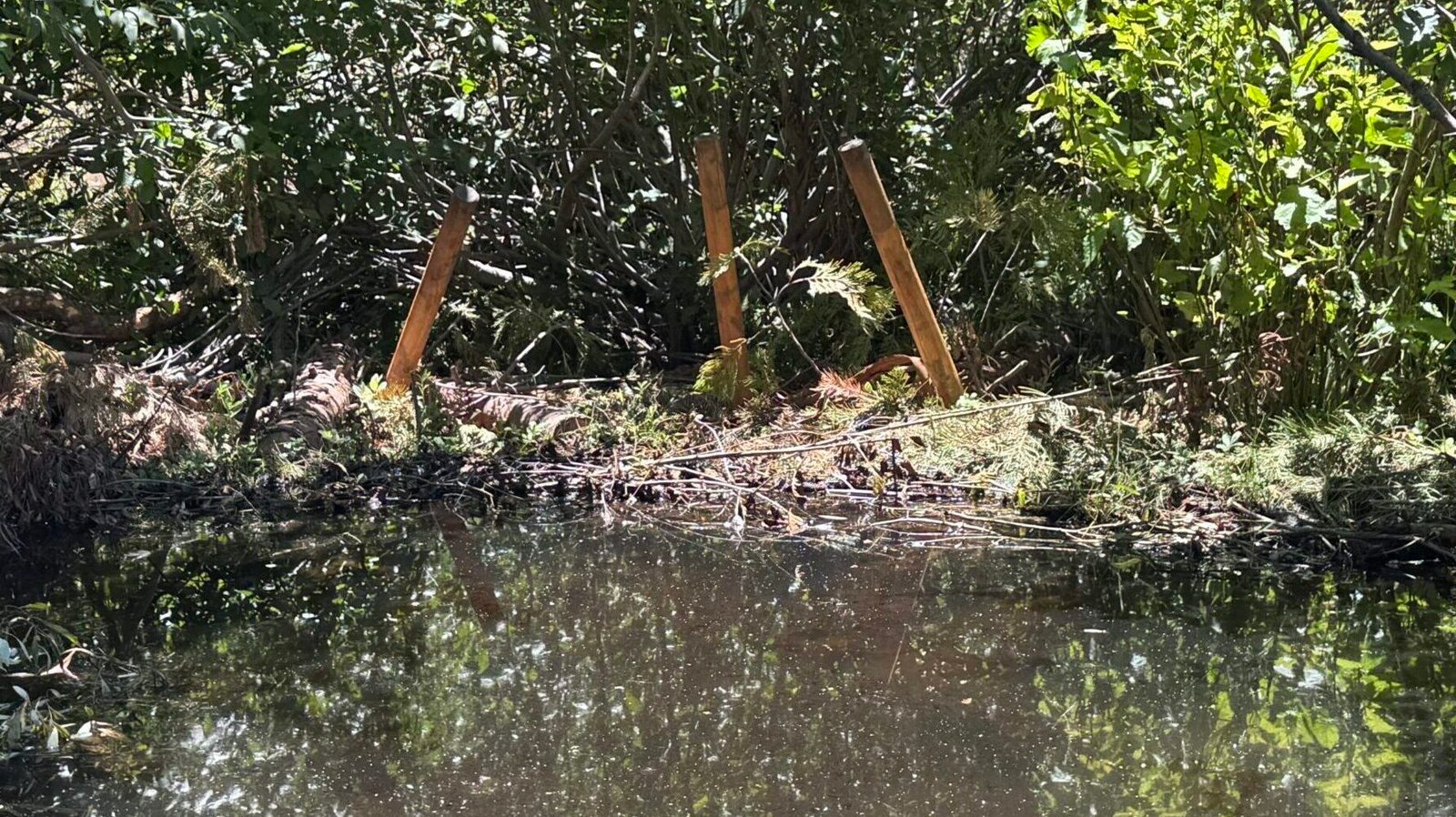
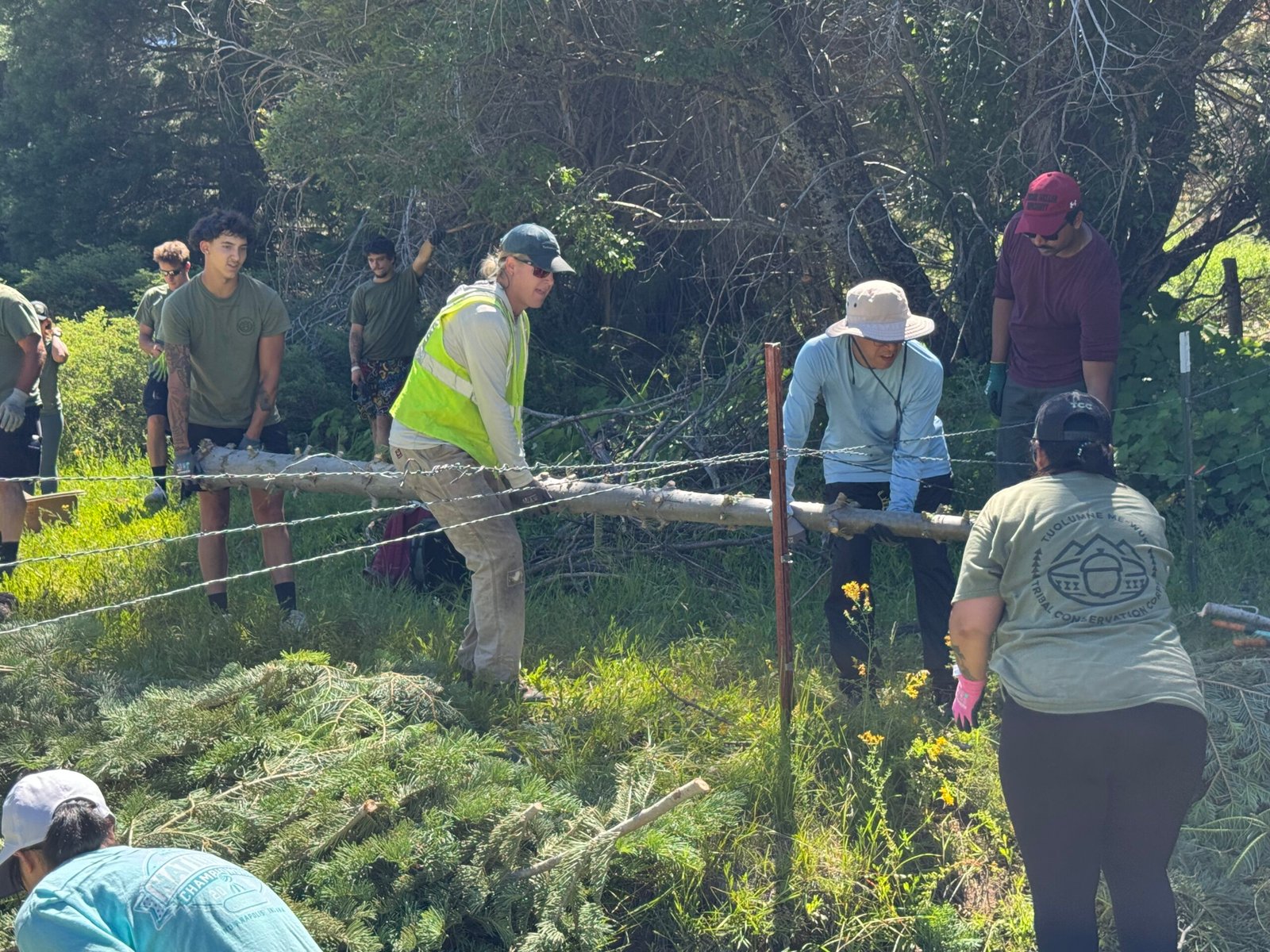
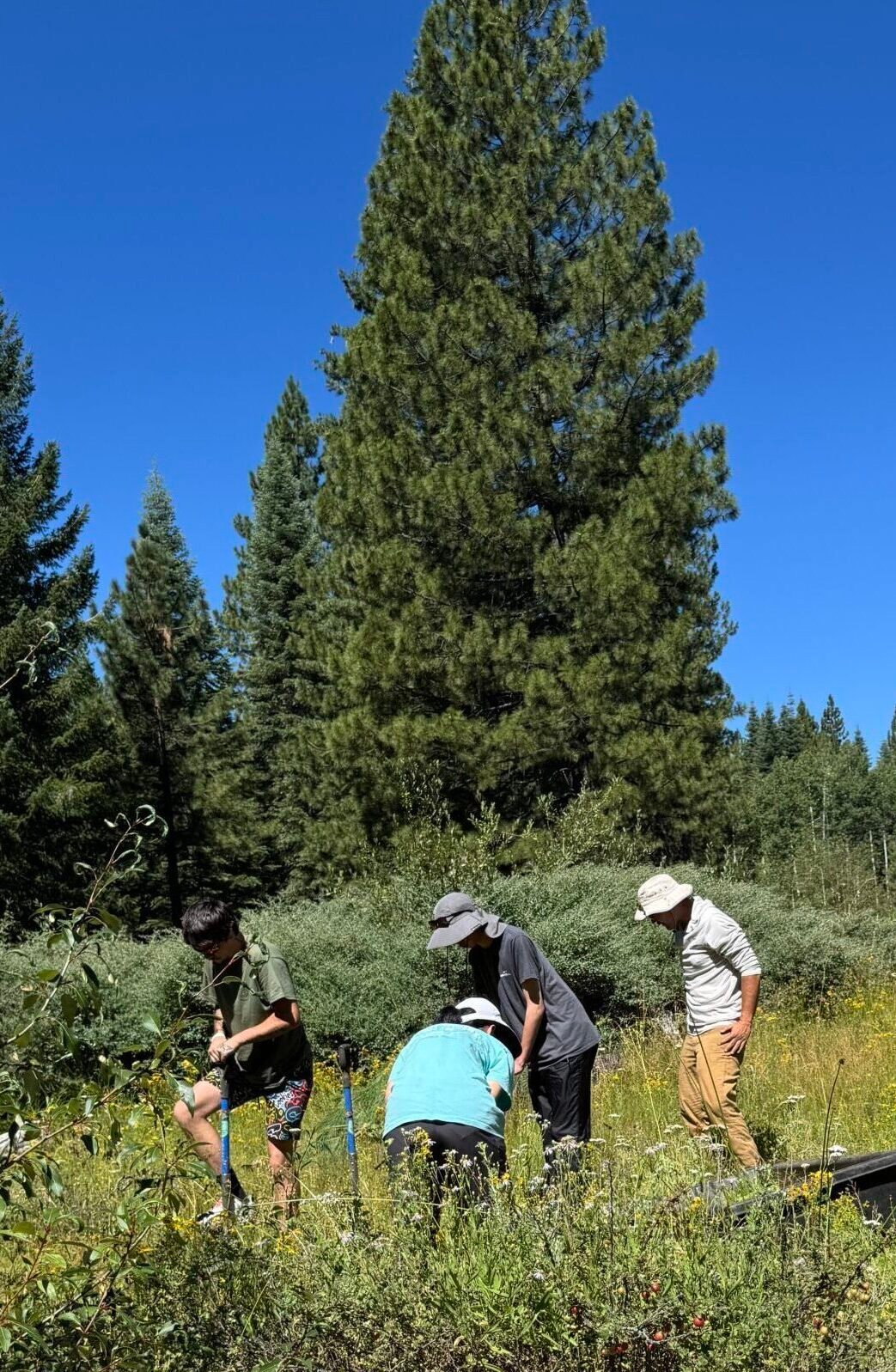
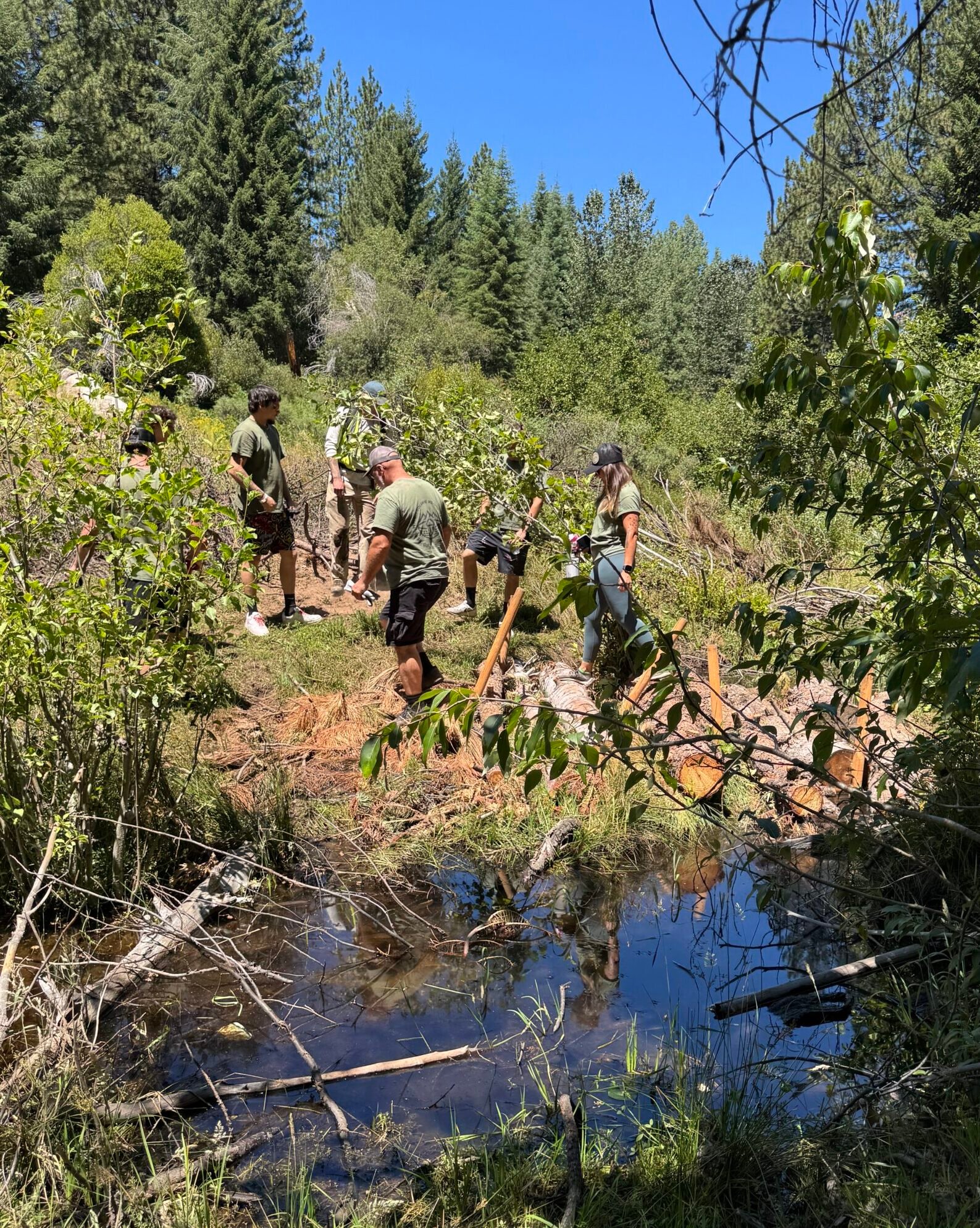
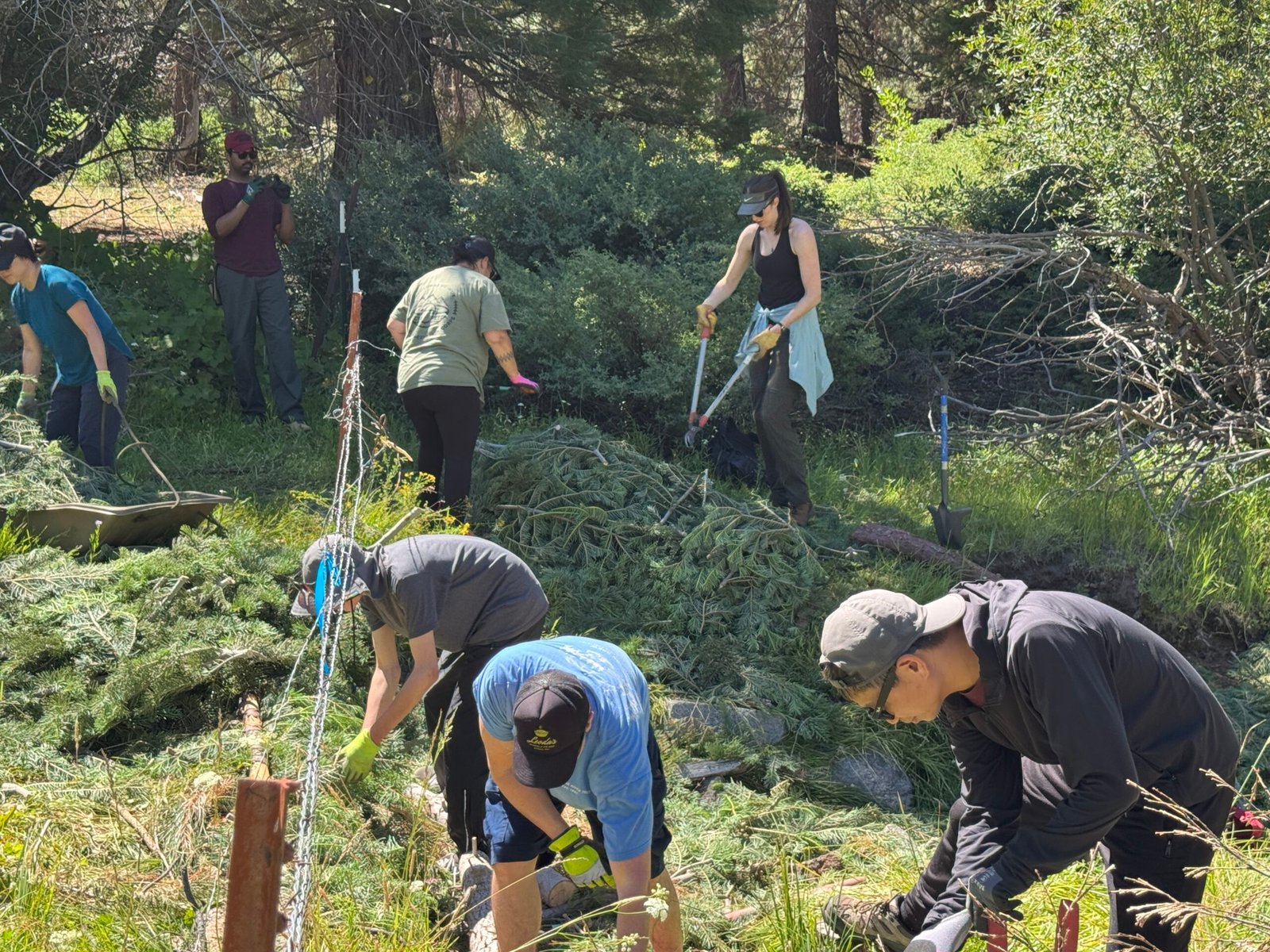
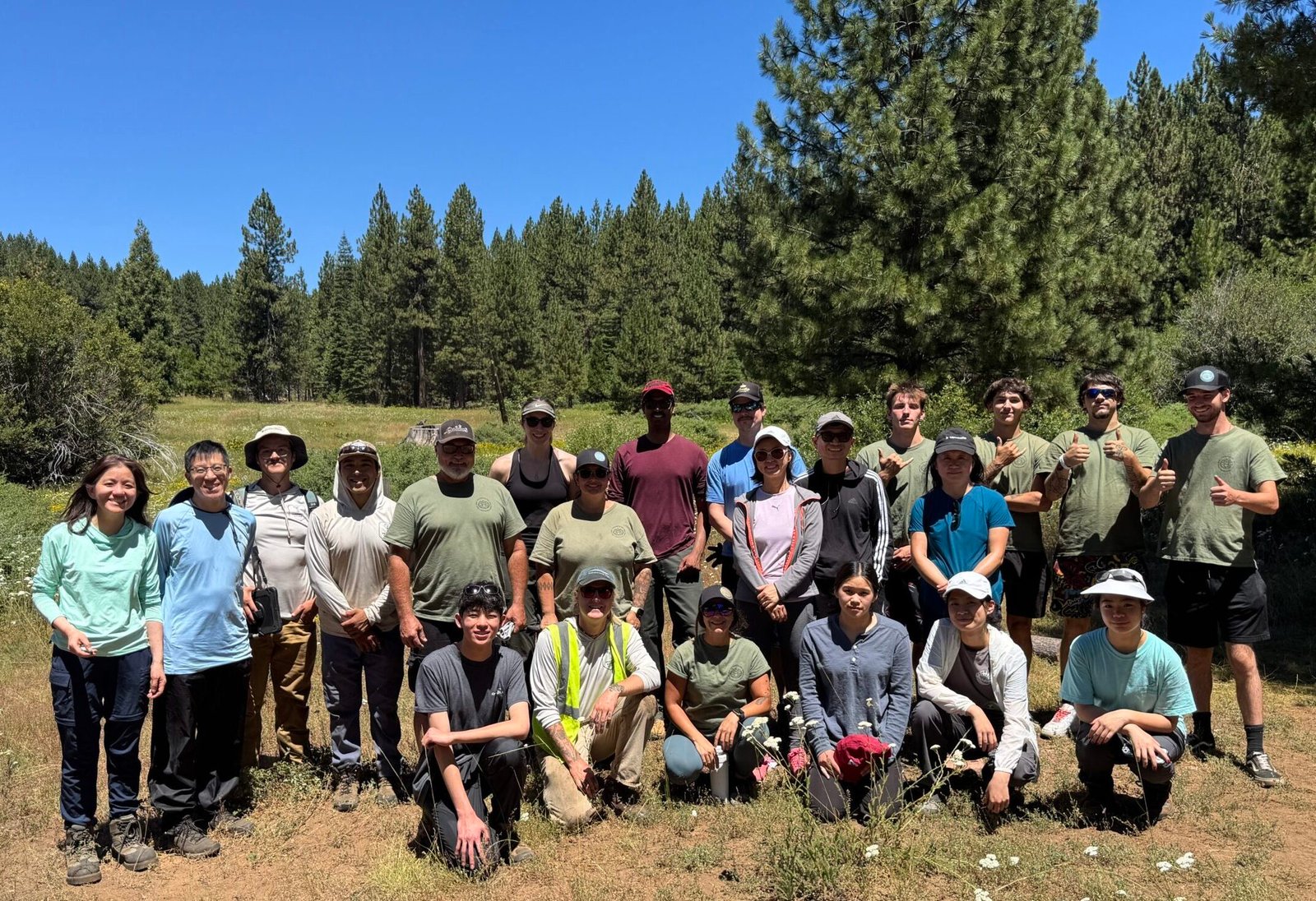
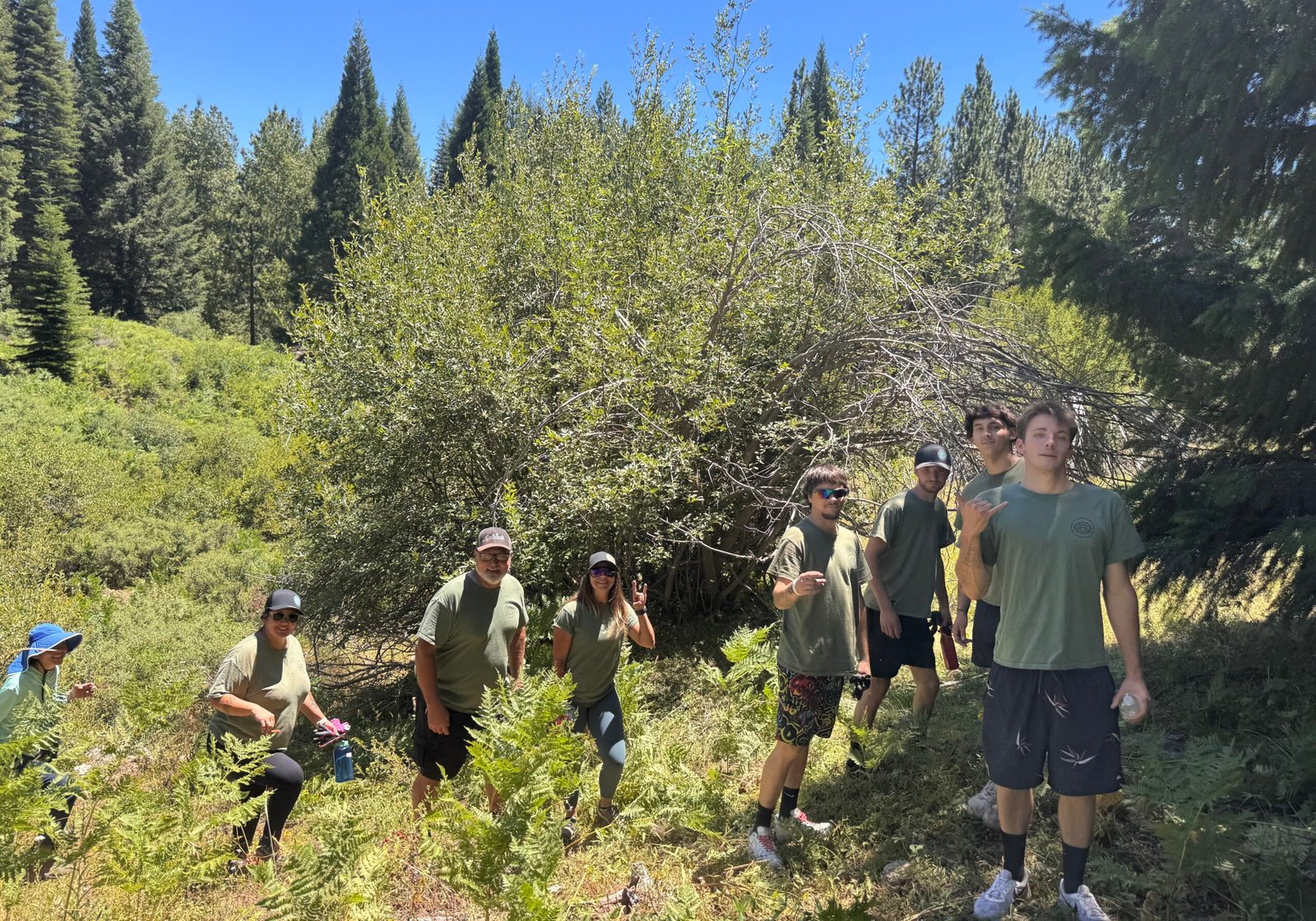
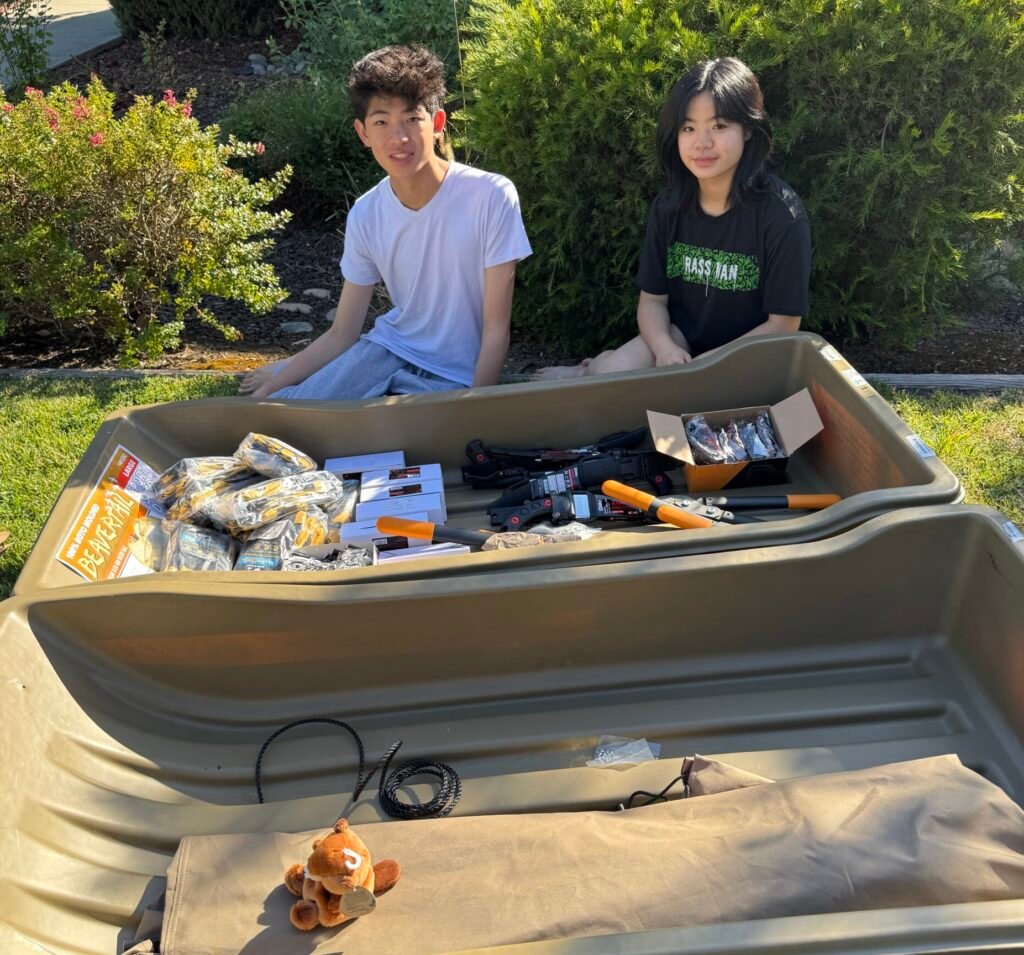
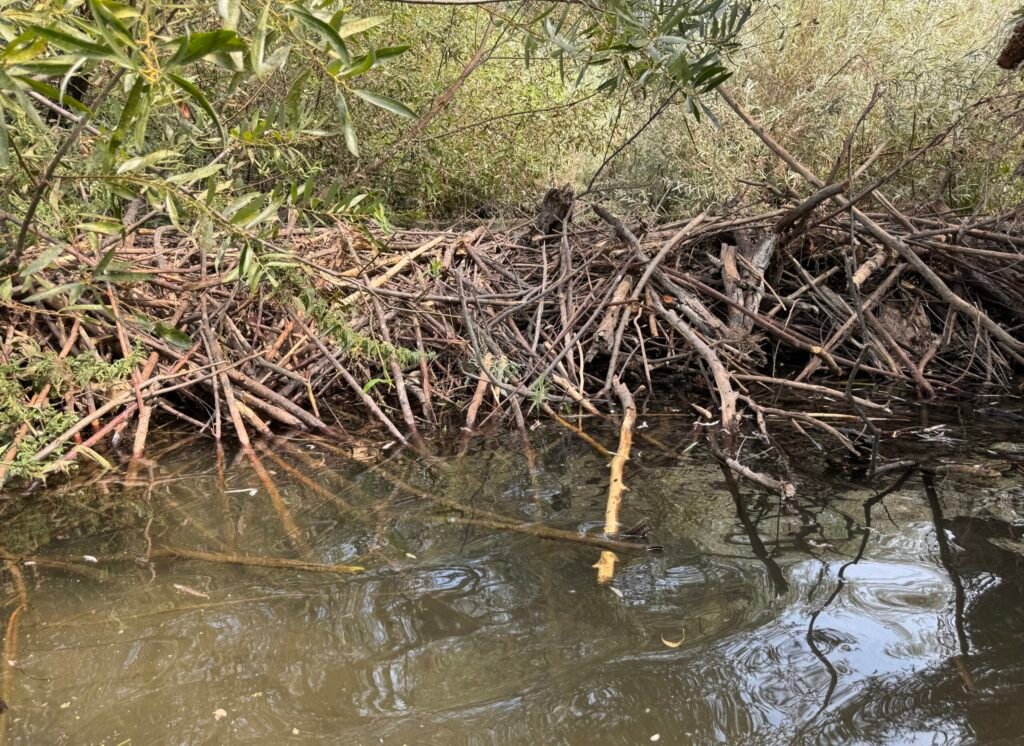
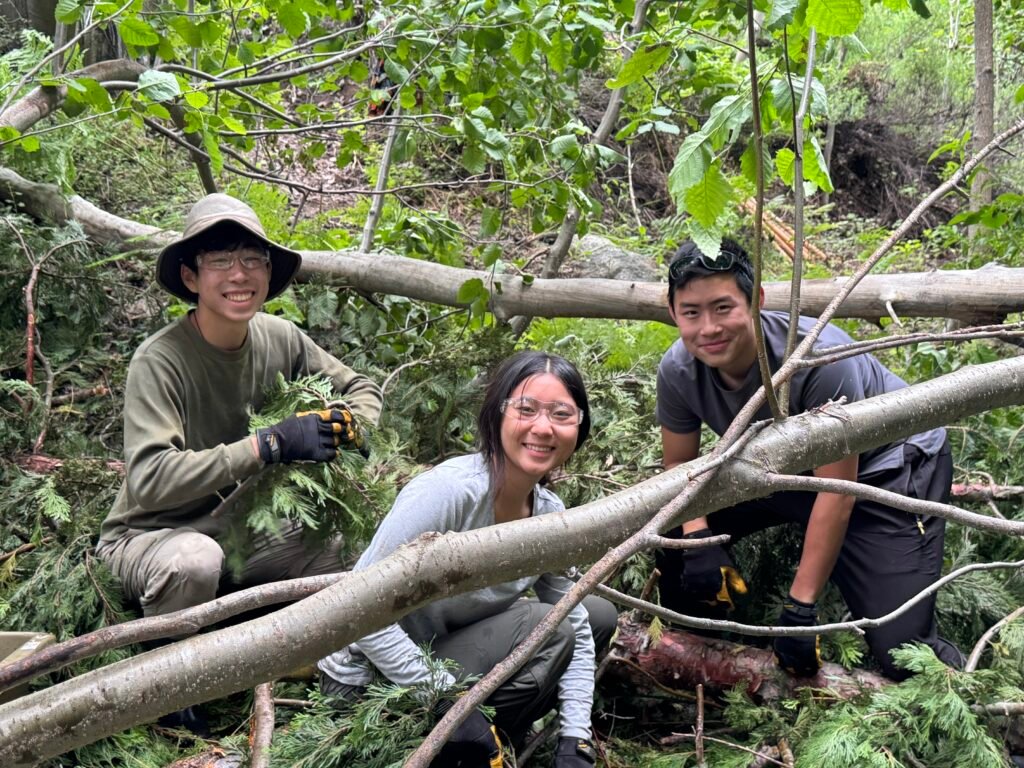
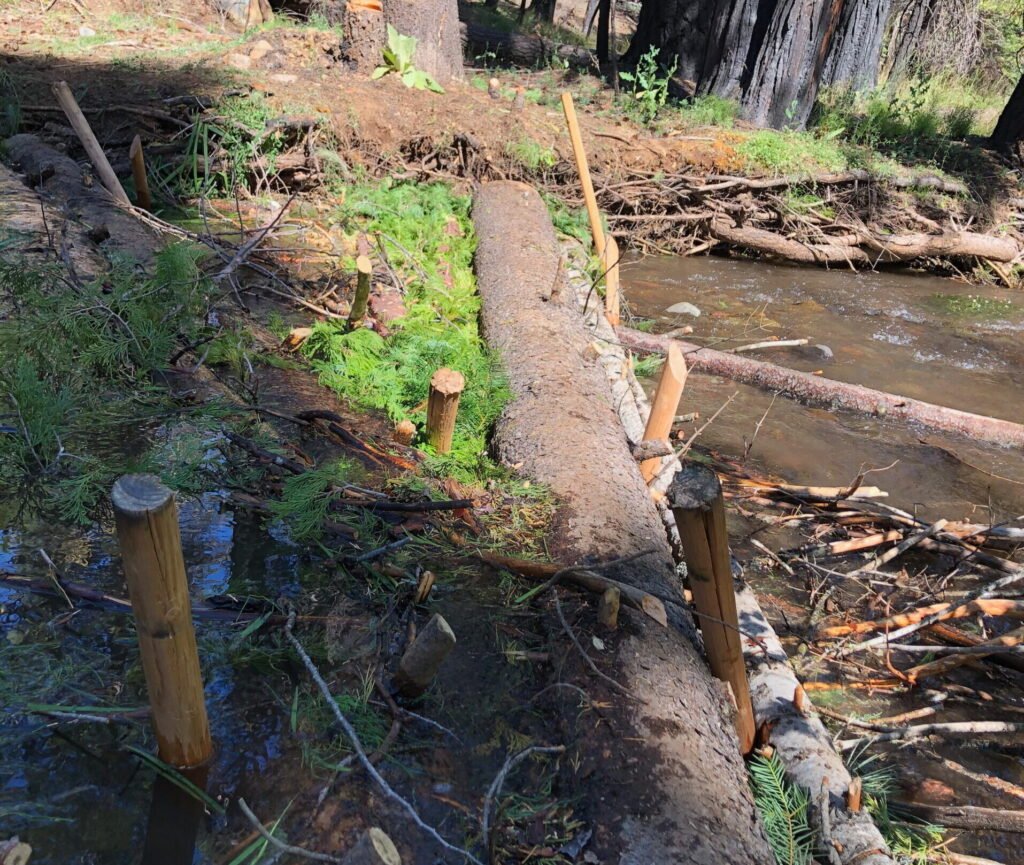
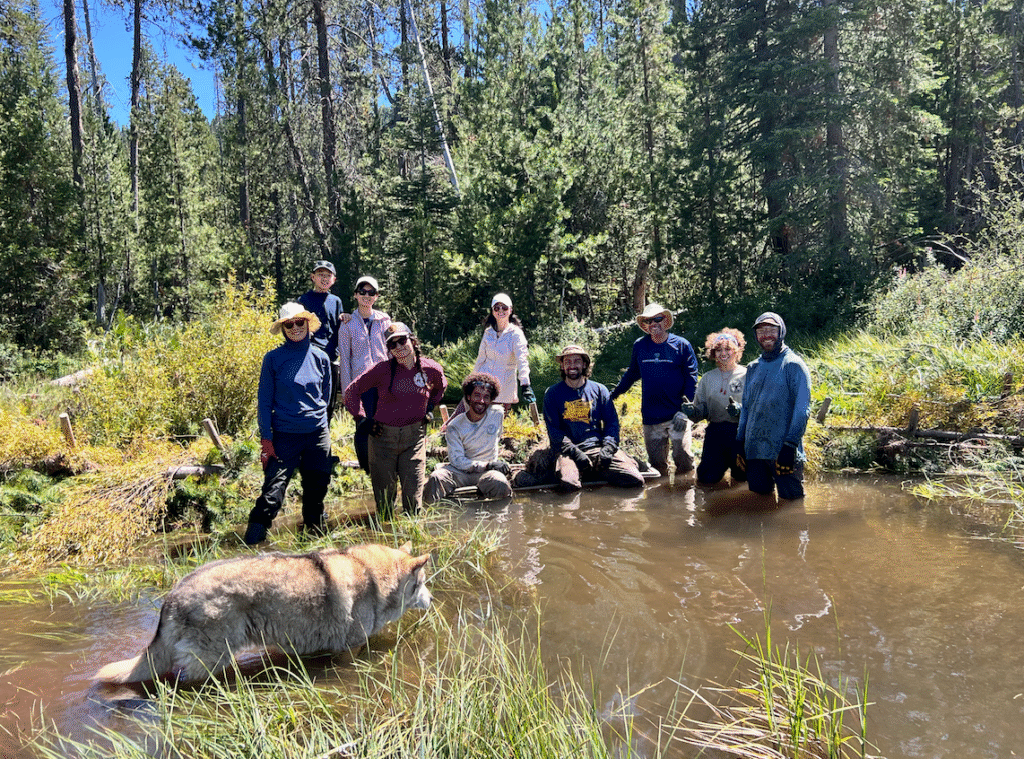
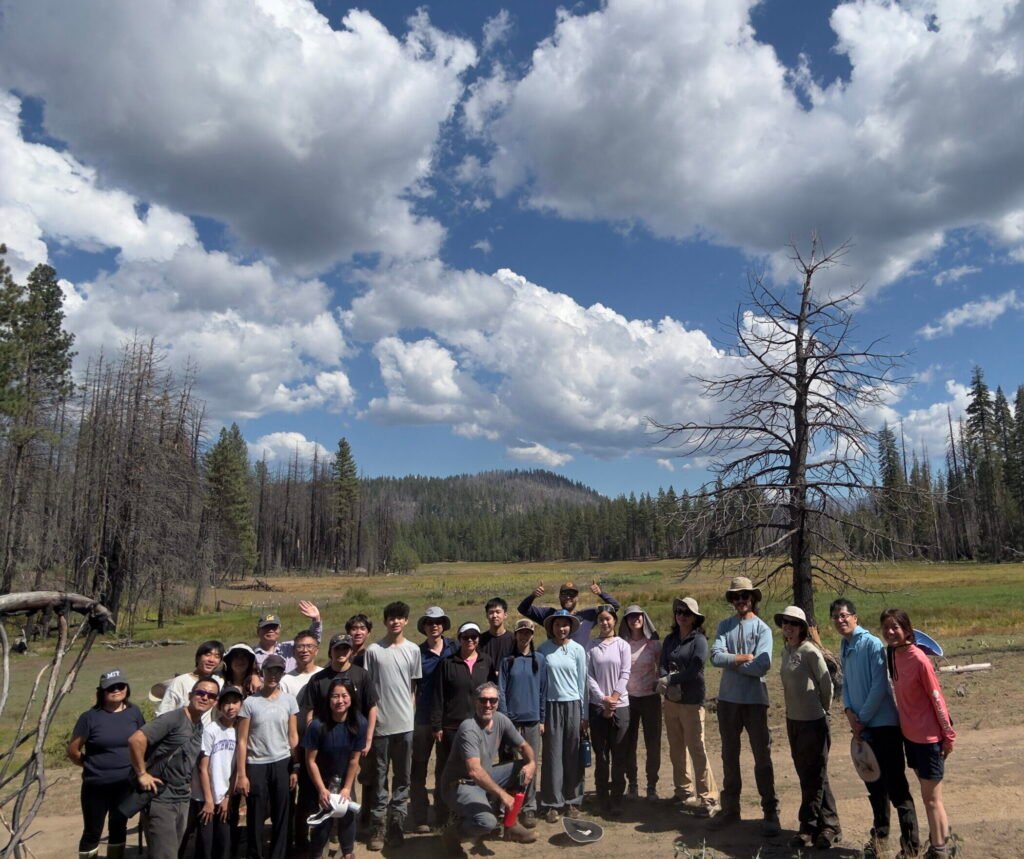
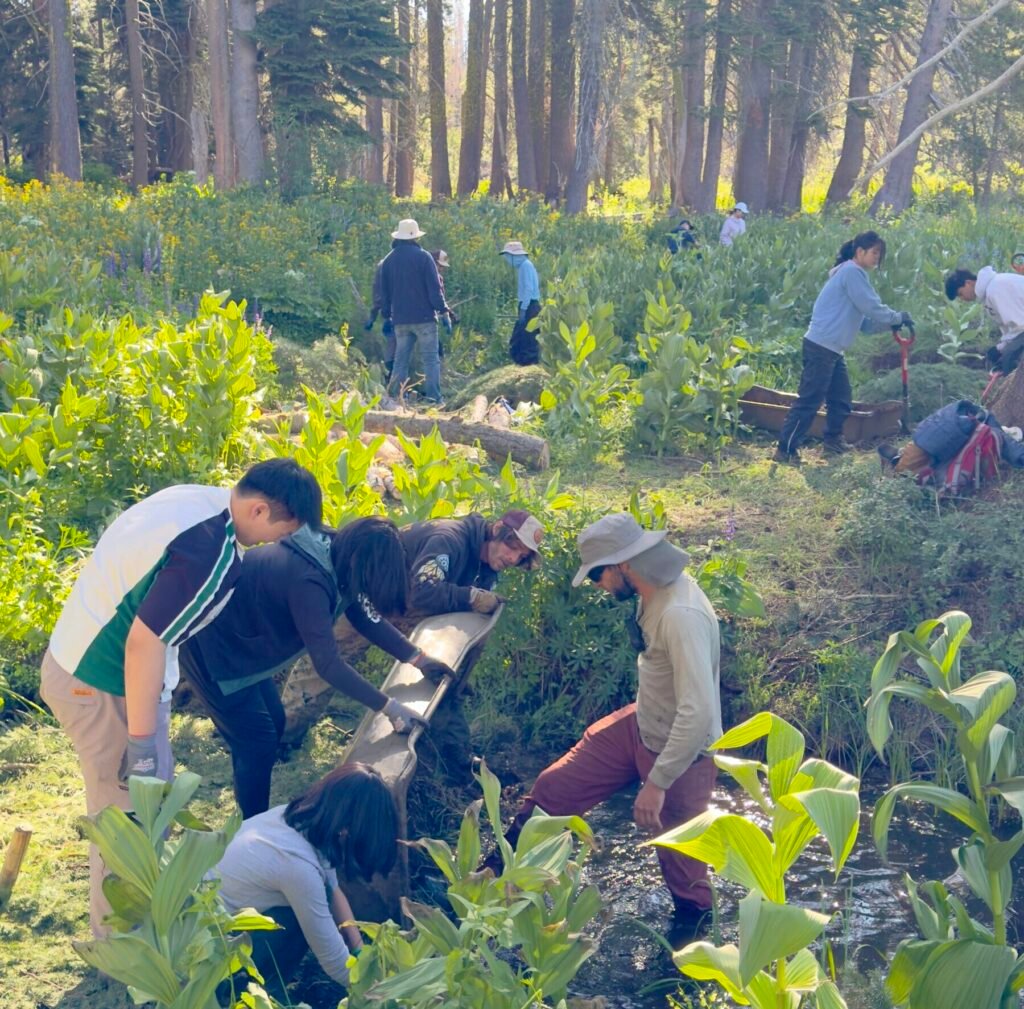
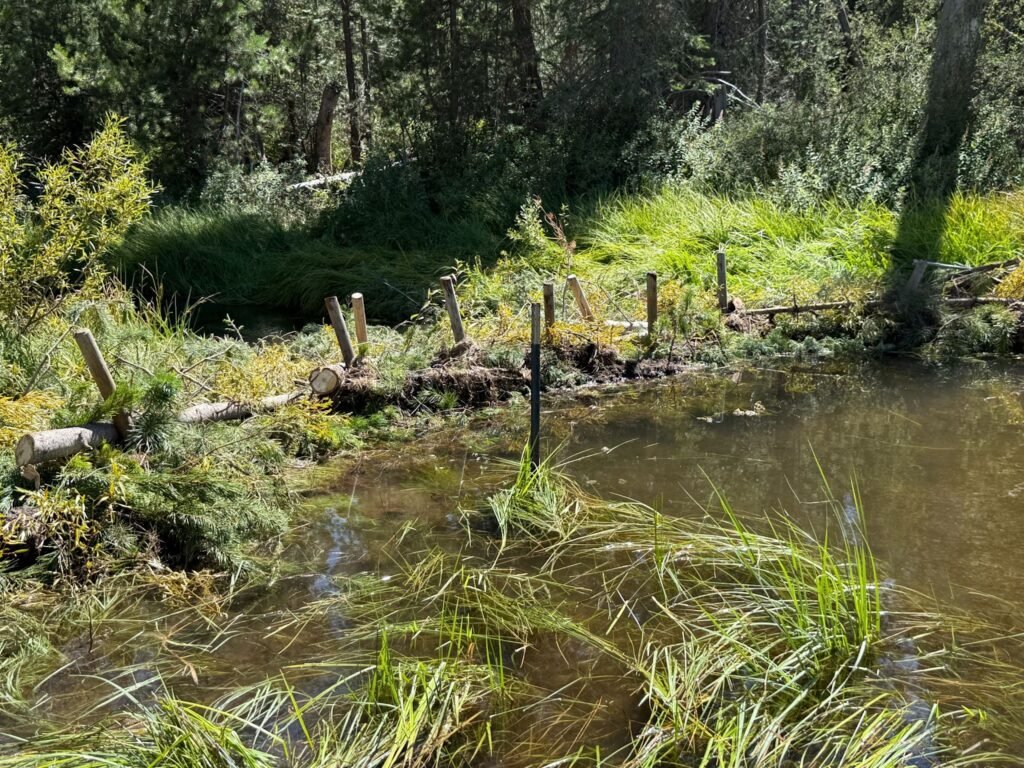
YRA, Me-Wuk Youth Tribal TCC, and Ecoengineering in Action celebrated our new partnerships by building BDAs on Me-Wuk land in Tuolumne on July 24, 2026 surrounded by majestic oak trees. Oaks are central to the Me-Wuk survival, culture, and spiritual life. Acorns from oak trees are a vital source of food and familial connection. The vast oak woodlands found throughout Yosemite and Tuolumne County owe their existence to generations of skillful Indigenous land management. Cultural burning is an example of TEK passed down over the years by Native American ancestors. Scheduled low-intensity controlled fires are used to reduce under bush and stop competing conifers from shading out the oaks. The practice also reduces wildfire risks by systematically clearing out flammable materials that fuel catastrophic wildfires. Furthermore, seasonal cultural burning has been shown to significantly stimulate the growth of riparian plants, beaver’s main source of food and building supplies.
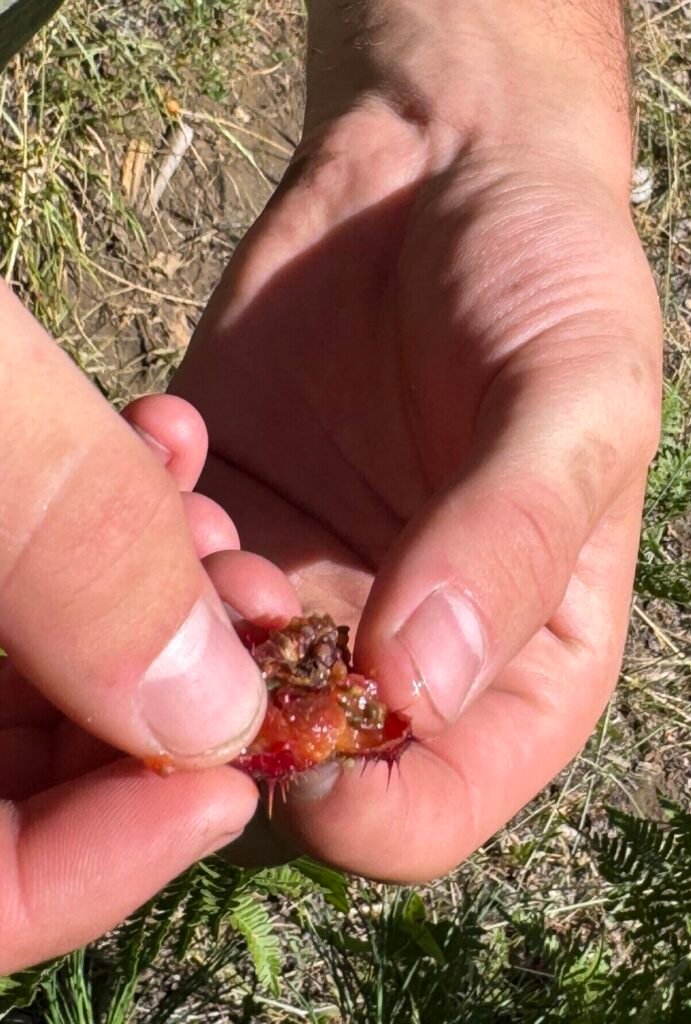
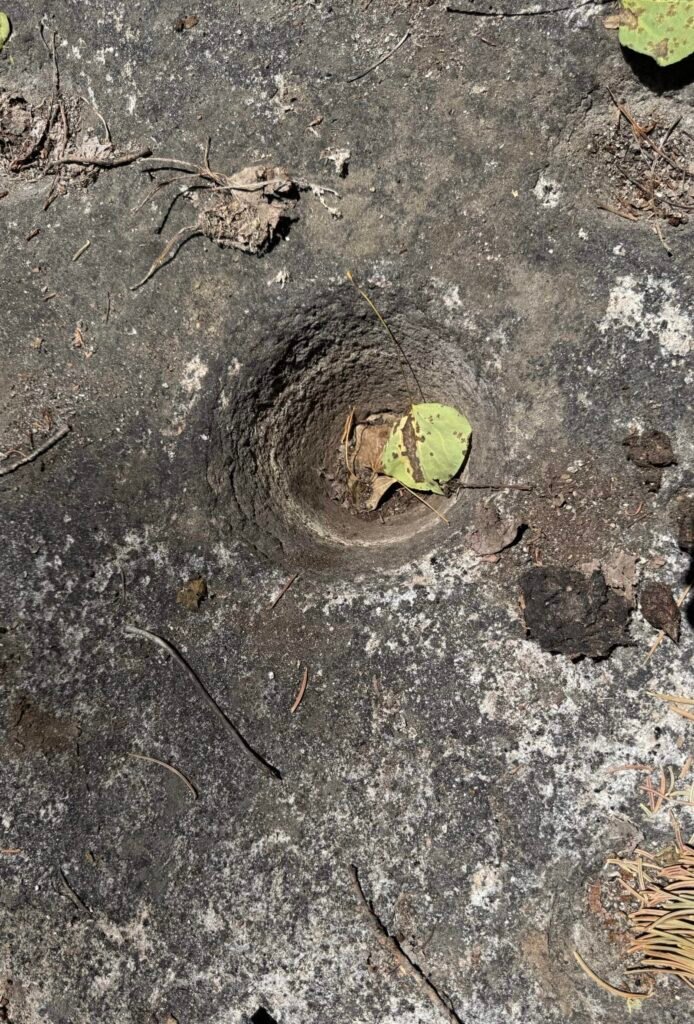
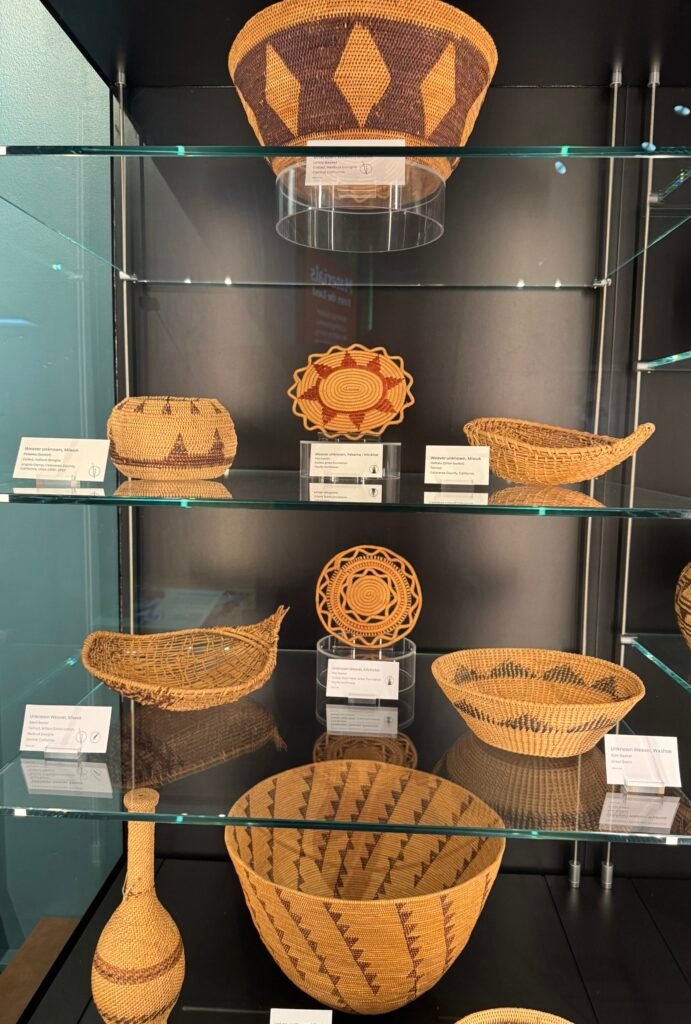
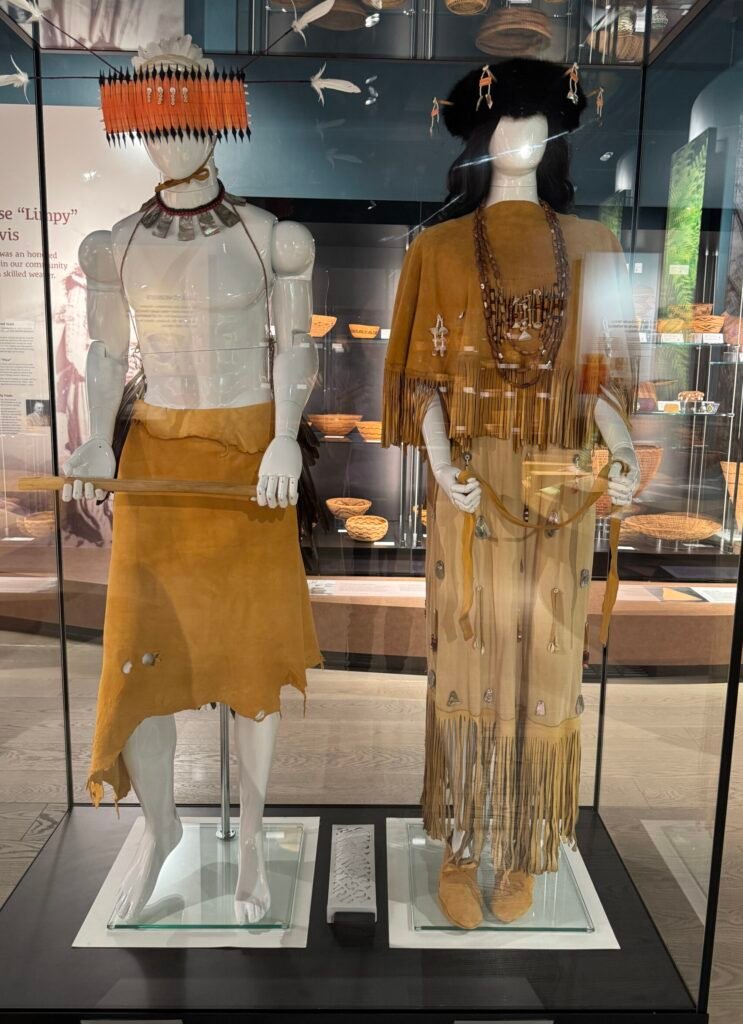
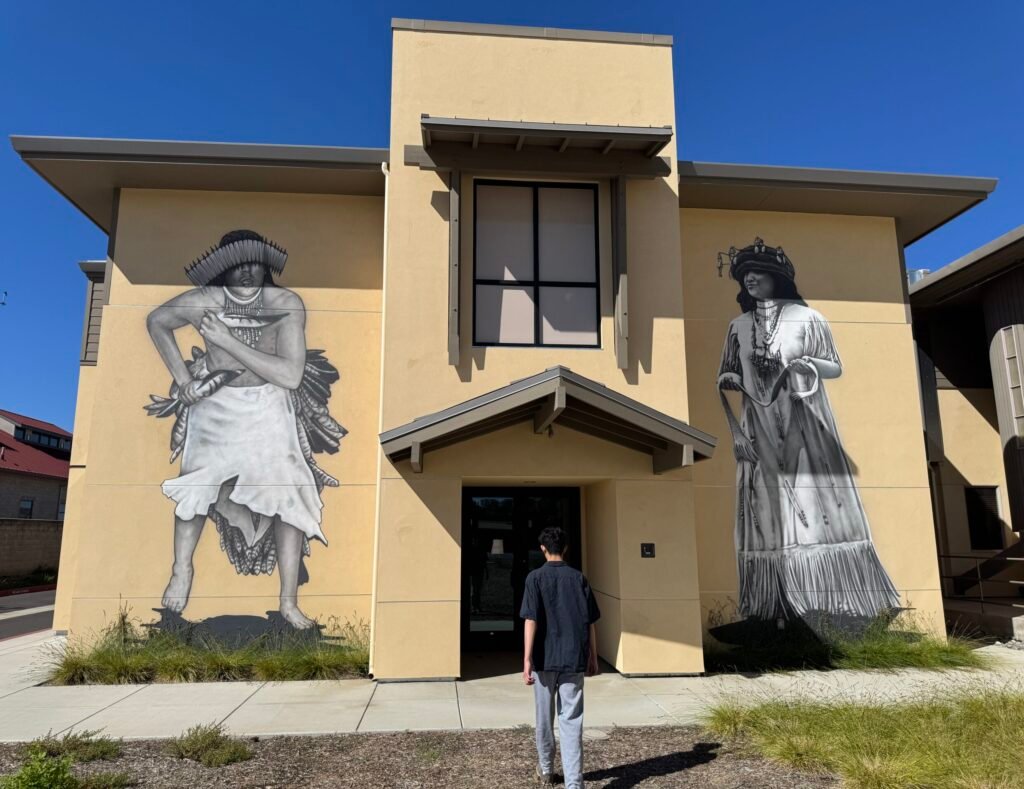
At our work site, I saw many chaw’se, bedrock mortars where generations of Me-Wuk ladies once ground acorns (men are traditionally forbidden from this activity). Running my fingers over these grinding rocks reminded me of the rich and deep history at Tuolumne. I invited Kyle Cox, Me-Wuk Cultural Resource Manager to give a talk on the history of the Me-Wuk people before we went to work. He spoke of profound loss brought by Spanish missions, the California Gold Rush, and forced assimilation. But as people of tremendous resilience, the Me-Wuks fought to preserve their culture and successfully gained sovereignty. Despite 95°F heat, we worked together in unity and efficiently as if we had done so for years. During lunch break, I shared Asian bean cakes (a surprise hit!) while the Me-Wuk youths introduced freshly picked wild gooseberries to the rest of the group. I also learned from them where to fish for bass and hunt for quail eggs. I didn’t want the day to end because the eye-opening cultural exchange experience made this BAD building even extra special. Therefore I decided to find out more by visiting the Me-Wuk Museum and Cultural Center in Angels Camp (I highly recommend a visit!) on the 3+hr way home. At the museum, I saw many intricately hand-woven (and water-tight!) Me-Wuk baskets and understood why they are so highly prized. These baskets of different textures and sizes draw from a rich array of at least 15+ different native California plant species. The Me-Wuk basketry was another reminder of the deeply intertwined Indigenous culture with a healthy, fire-resilient forest I look to continue preserving with the original inhabitants of this land.
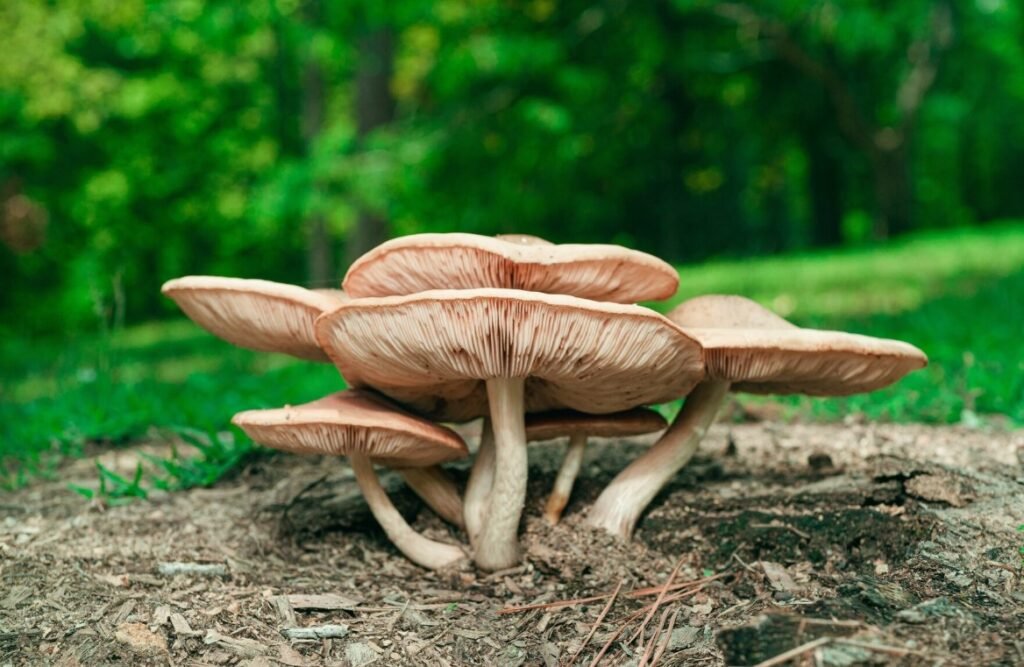
wild gooseberry
Chaw'se Me-Wuk word for bedrock mortars, used for for grinding acorn