Research: California Central Coast Beaver Activity and Habitat Monitoring
By Kiefer Chow, Amelia Chow, Braydon Lu, Amy Li, Arissa Cao, Anna Zhao, and Ethan Nguyen. October 2, 2026
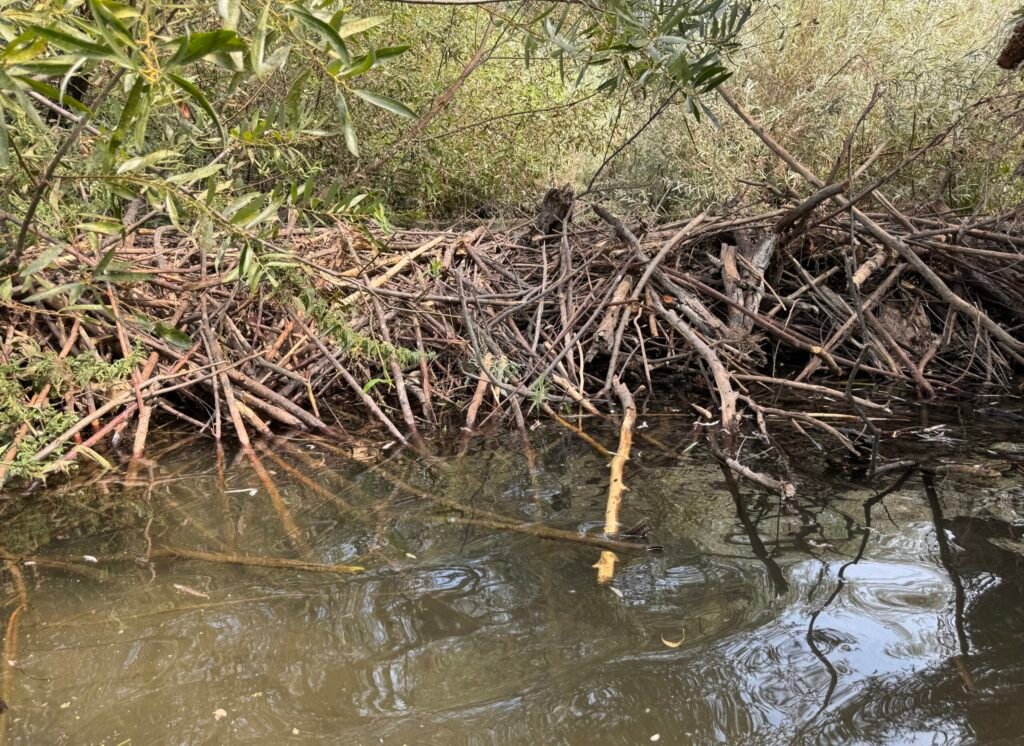
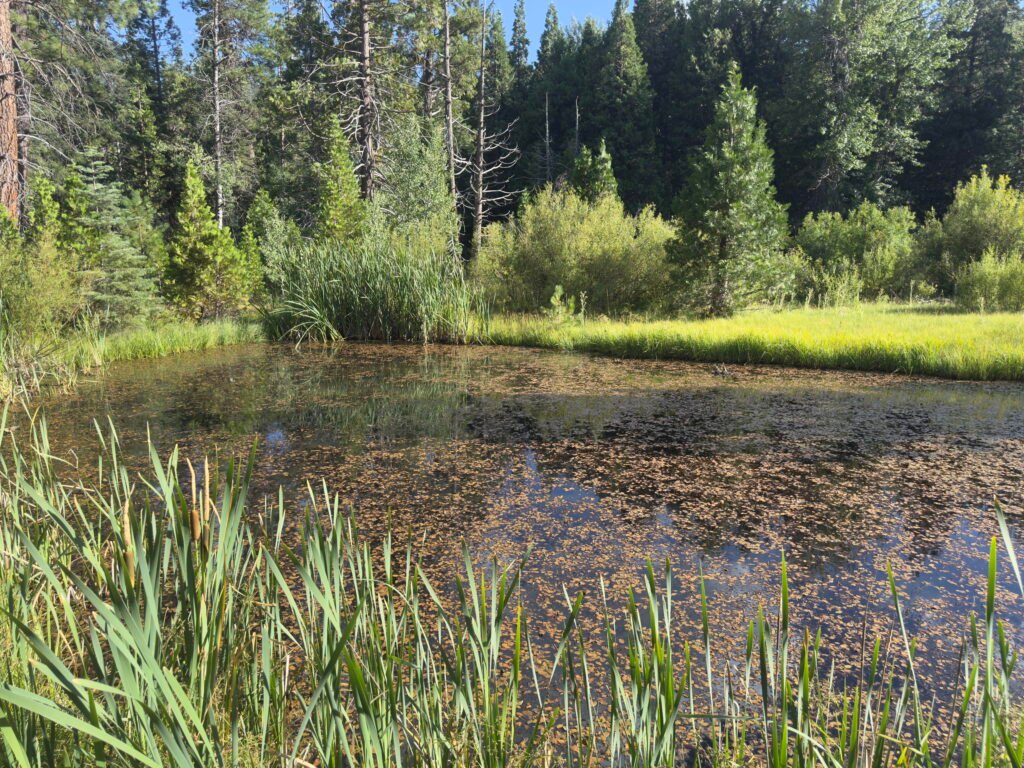
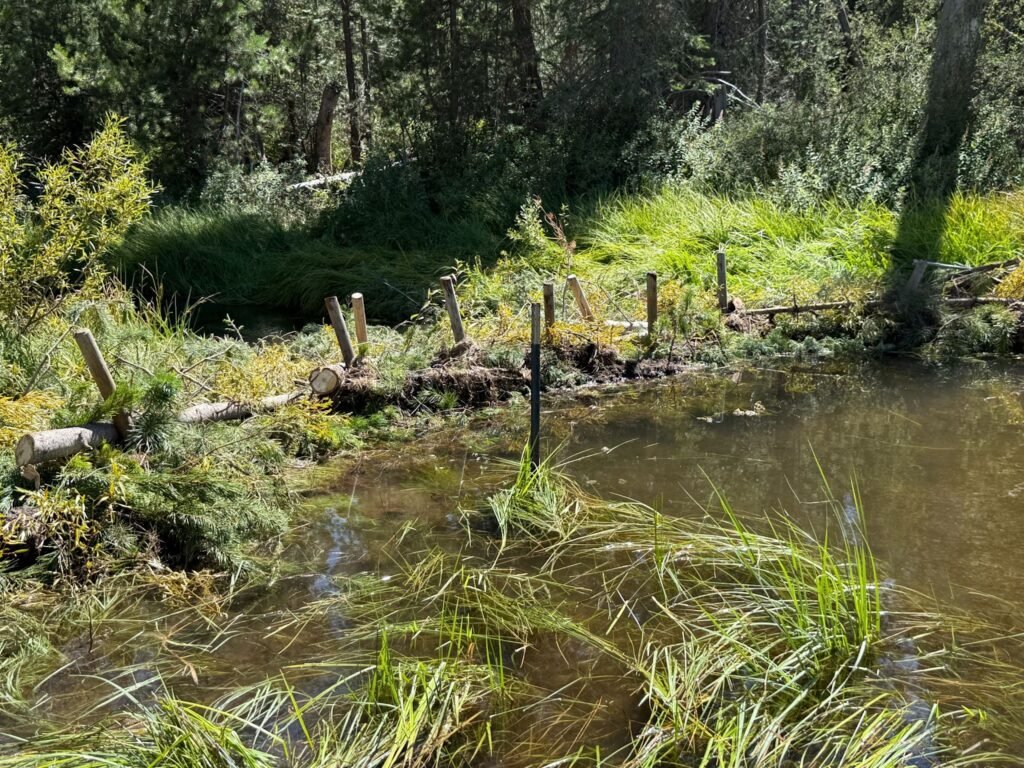
We teamed up with Eli Grinberg at SLO Beaver Brigade to assist renowned ecohydrologist, Professor Emily Fairfax at the University of Minnesota, with her research on beaver activity and habitat in the Salinas River. Beavers are primarily crepuscular and nocturnal, meaning they are most active during the twilight hours of dawn and dusk as well as throughout the night. These motion-sensing cameras reveal their dam building processes as well as social interaction. We can also appreciate other wildlife that benefits from beaver habitat. Frogs croaking can be heard in the background, various birdspecies can also be seen feeding on fishes in the river. Because the river serves as a vital water source, deers and antler bucks regularly come down to the banks to drink and graze on the lush grasslands. The massive ecological benefits that beavers support as ecosystems engineers are undeniable. On the ground, monitors record expanded wetlands, rising water tables, and lush willow or cottonwood growth. On the ground beaver monitoring will then be compared with NASA’s Landsat satellite measurement of vegetation index. It has been shown that during severe droughts, while the rest of the surrounding landscape browns out, satellite pixels corresponding to field-mapped beaver activities and beaver dams remain brightly green, showing up to 66% greater plant greenness than un-dammed areas.