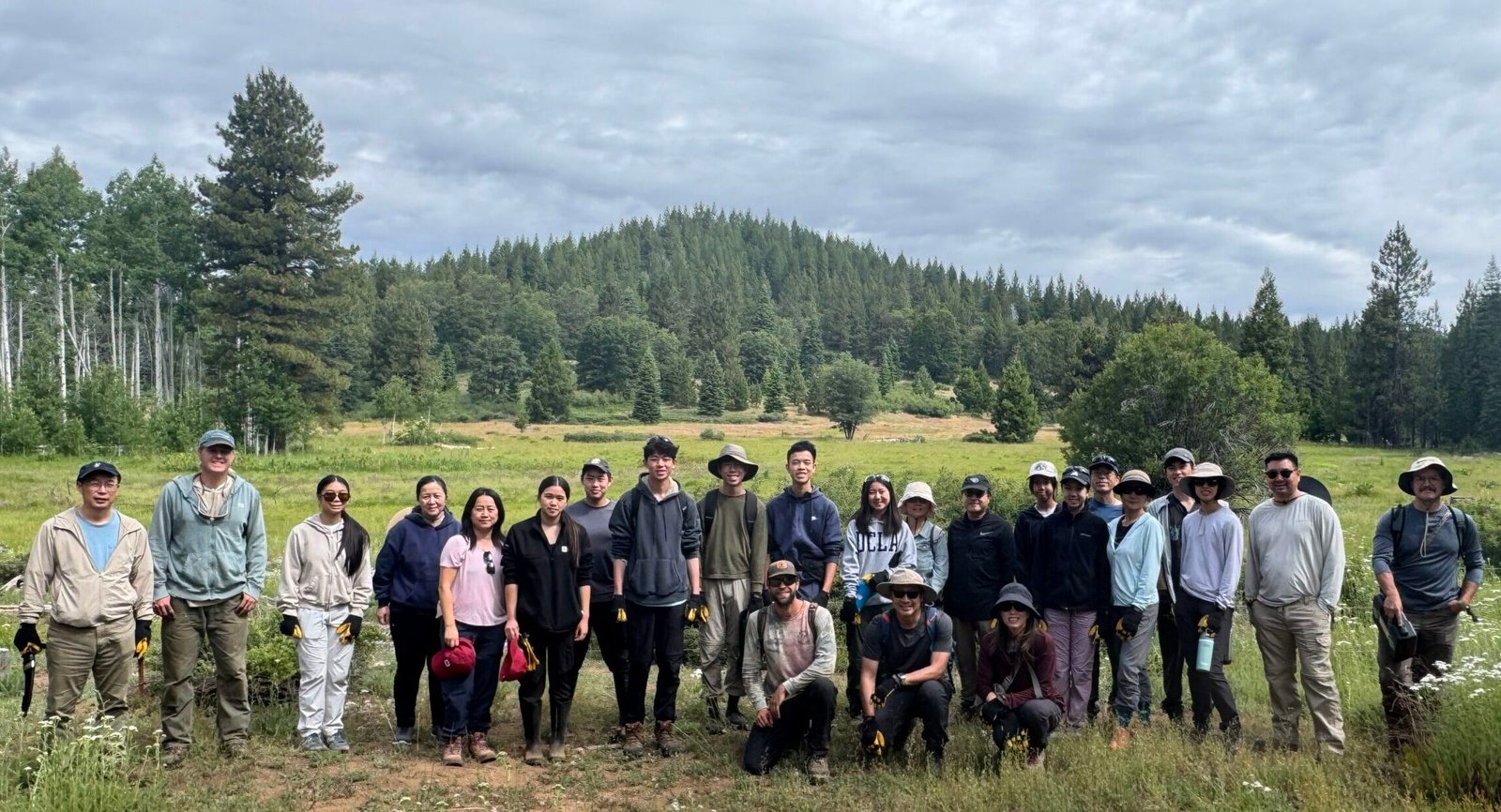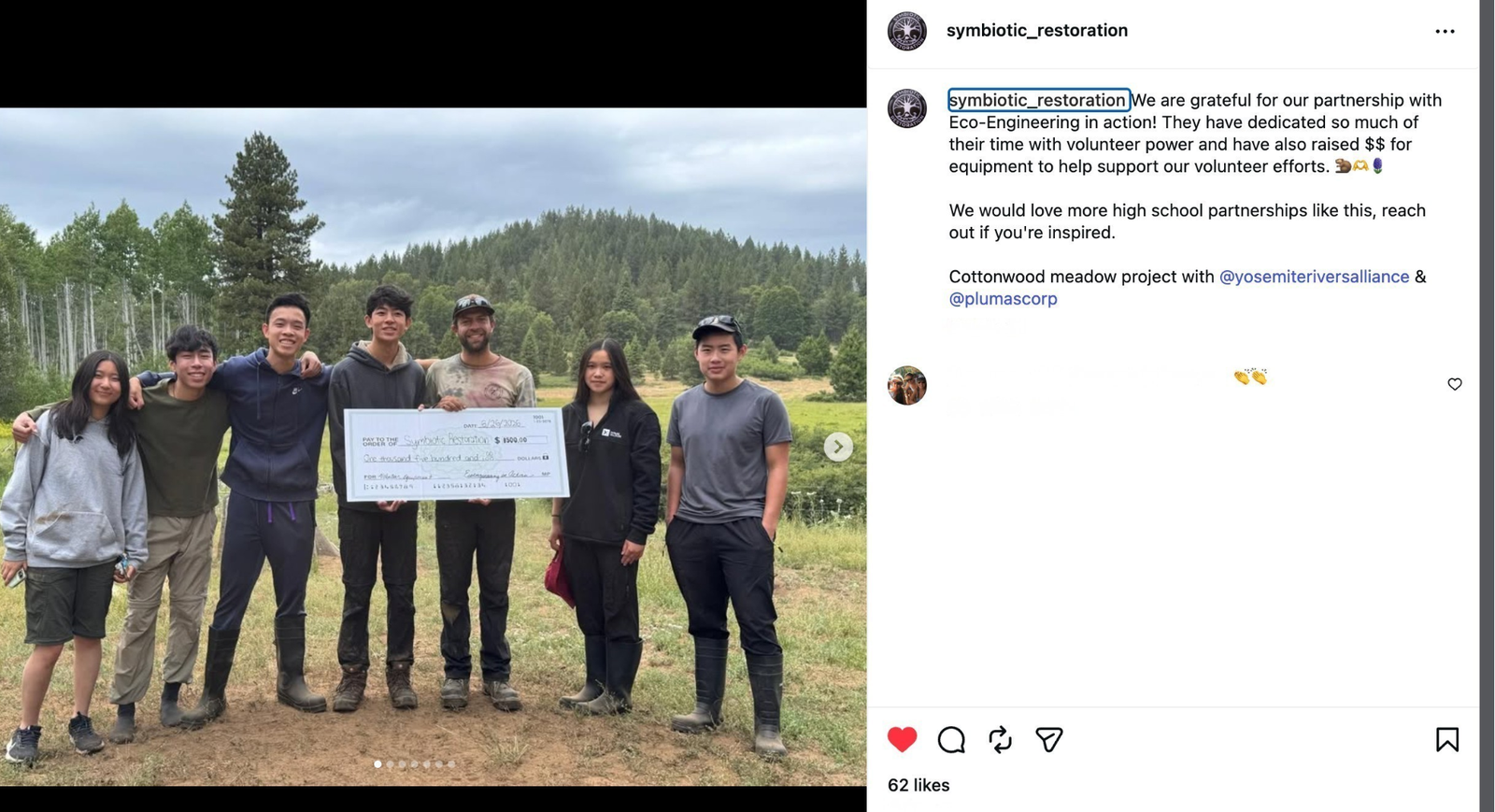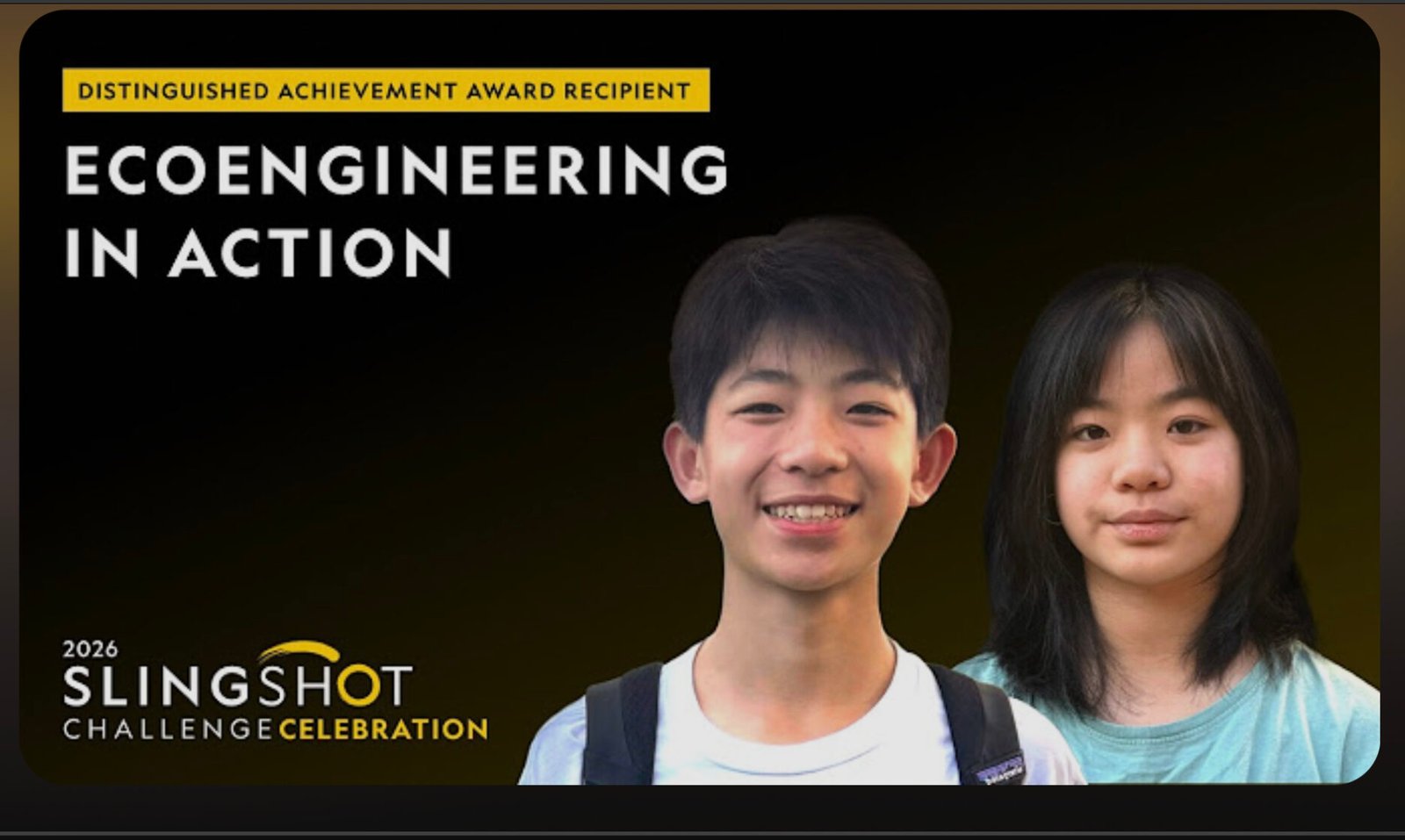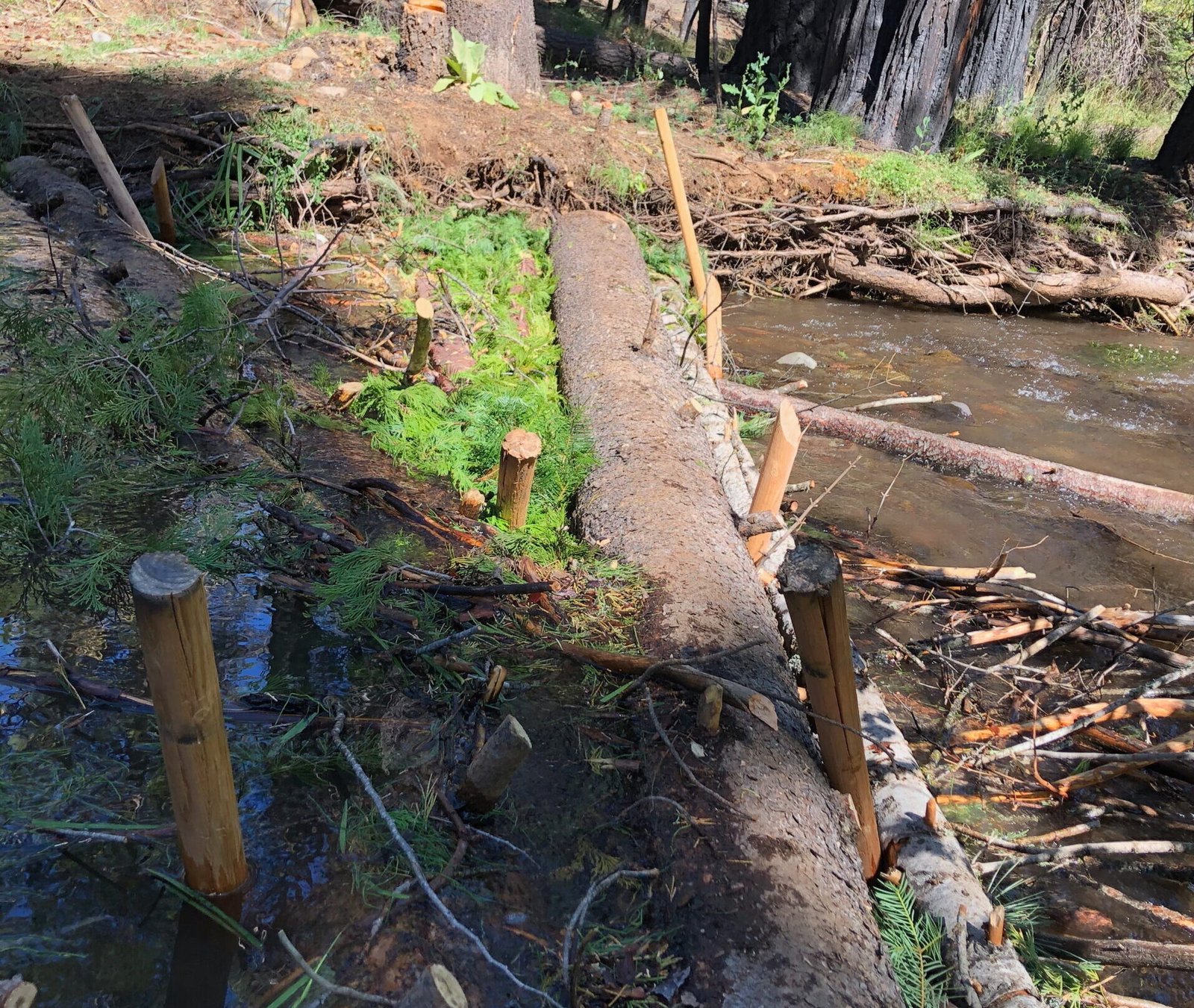
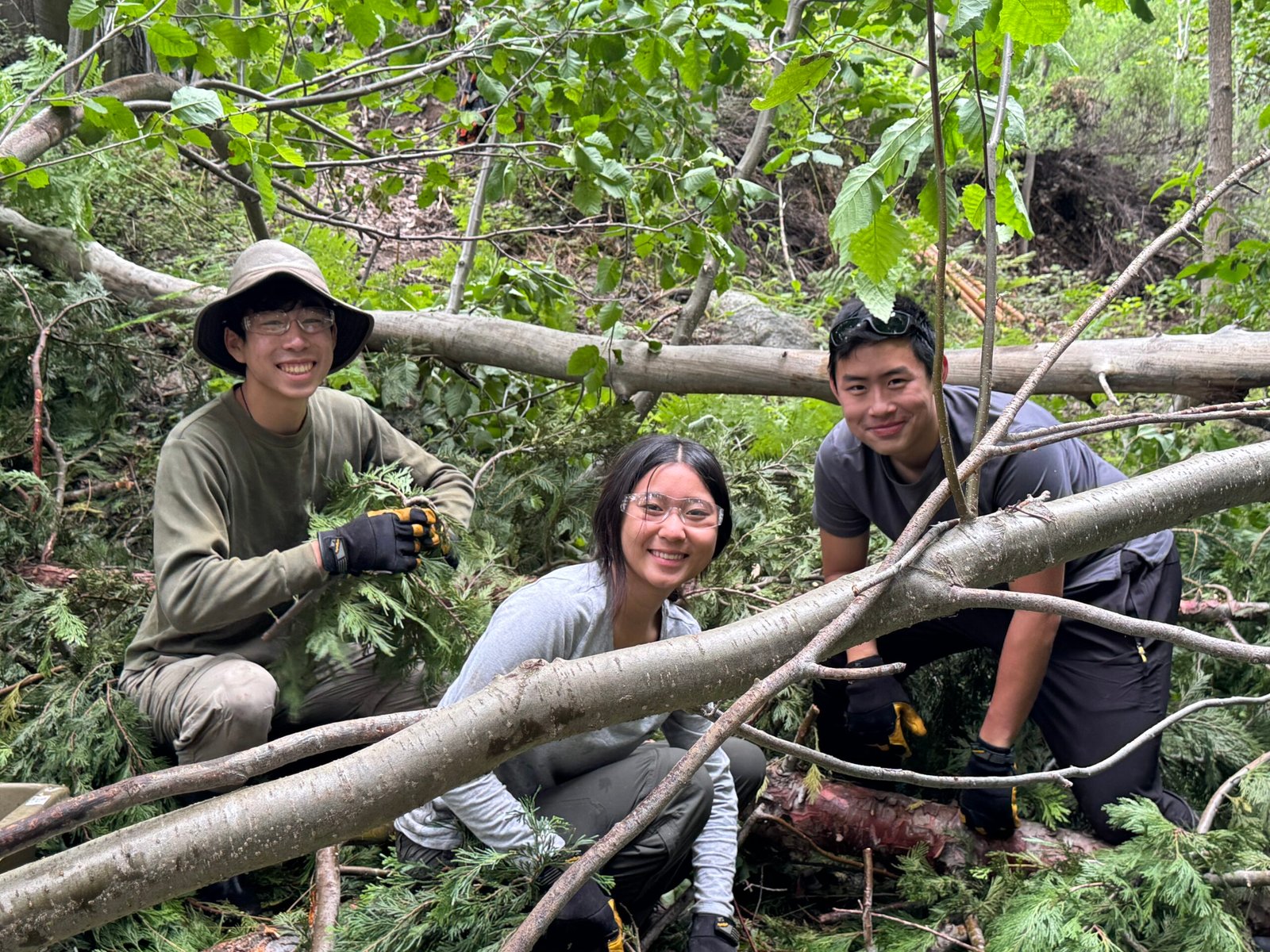
On June 26th, I had the amazing opportunity to join my fellow Eco-engineers and our partners at Yosemite River Alliance and Symbiotic Restoration at Cottonwood Meadows in Stanislaus National Forest to build Beaver Dam Analogs (BDAs). Over the past 150 years, cattle farmers in the area have drained the meadows and channeled water into a deep incision, resulting in ecosystem damage. Furthermore, the 2013 Rim Fire caused significant loss of crucial vegetation cover, accelerating soil erosion and the meadow's ability to sequester carbon and sustain biodiversity. Our goal was to build and strengthen the BDAs. Raising the dams by 3 feet allows the upstream water to rise high enough for beavers to establish a home at Cottonwood Creek and restore surrounding ecosystem.
The night before, my family and I had made a three-hour drive up to Sonora, where we spent the evening stargazing beneath the sky. On the morning of the event, we met with the rest of the volunteers and drove together to Cottonwood Meadows, where the building would take place. Before getting started, the first step was to get our protective gear on. We grabbed safety glasses and leather gloves to remain protected. Some of us also wore waders, which I would highly recommend future volunteers to consider investing in (or any shoe with thick soles and strong grip)!
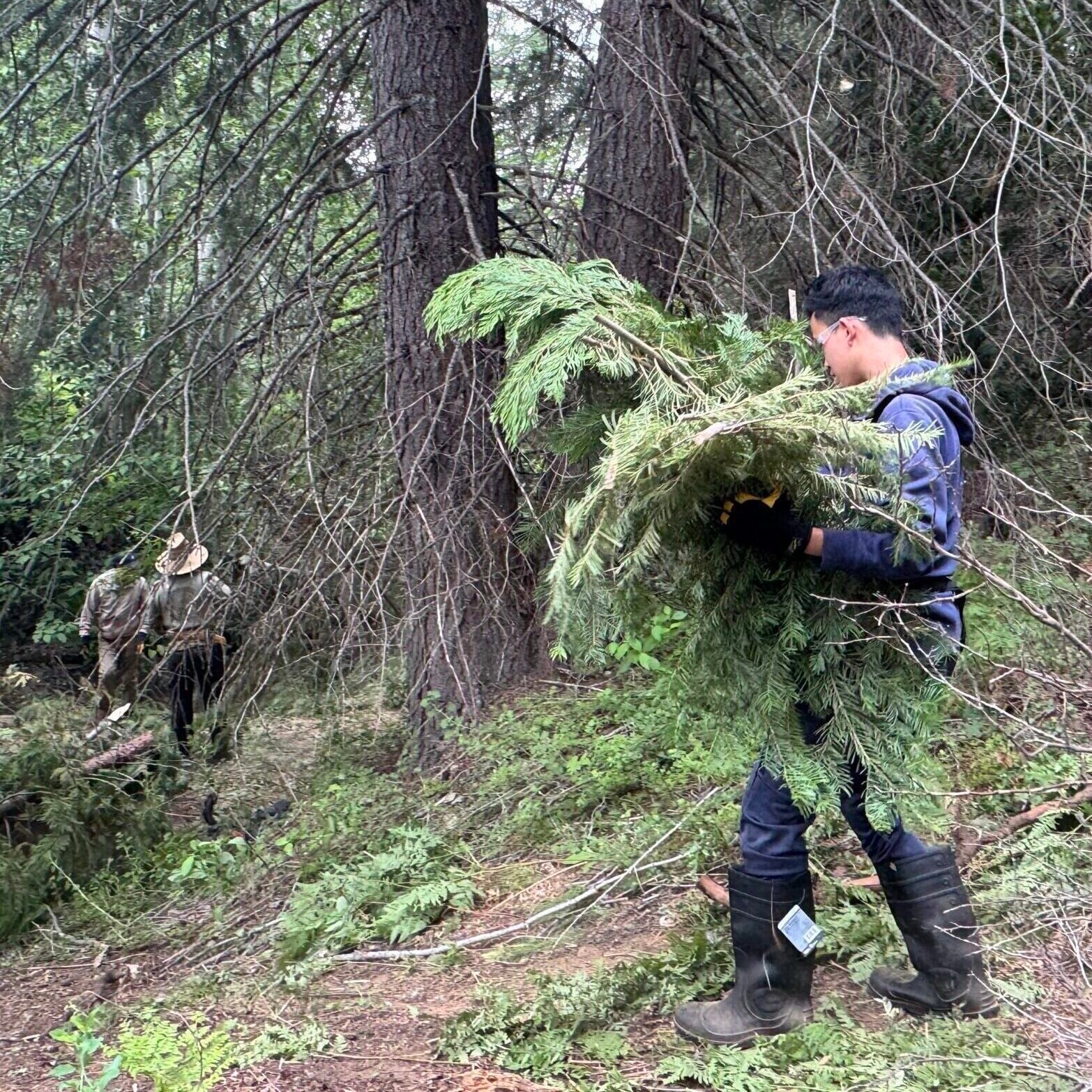
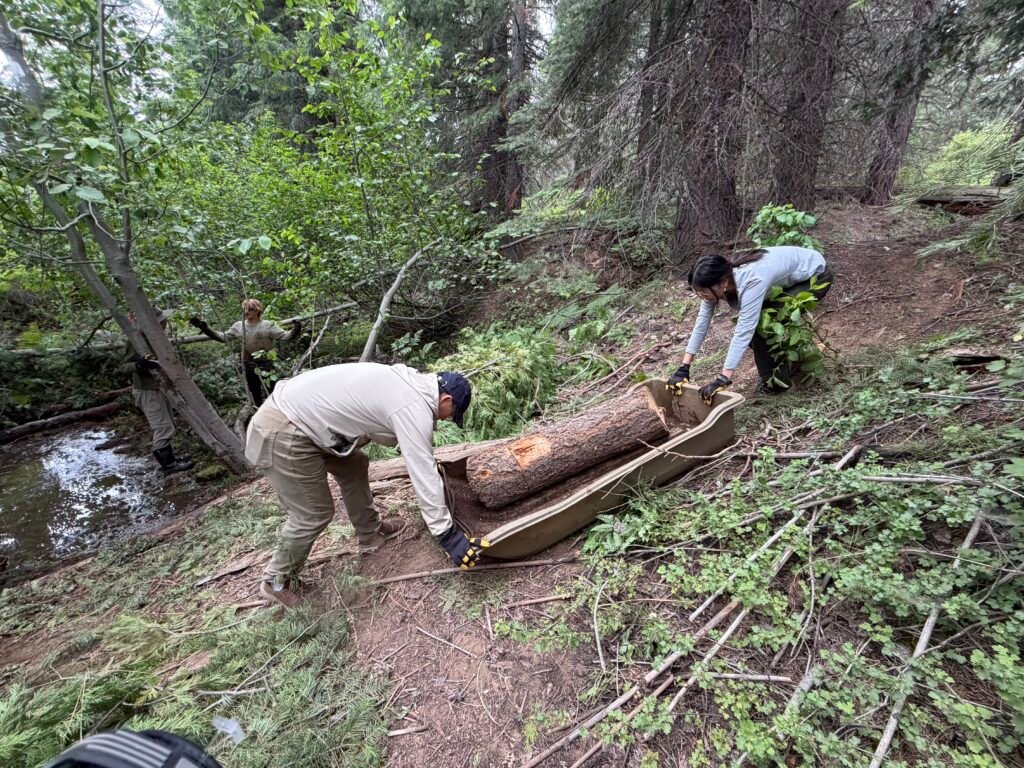
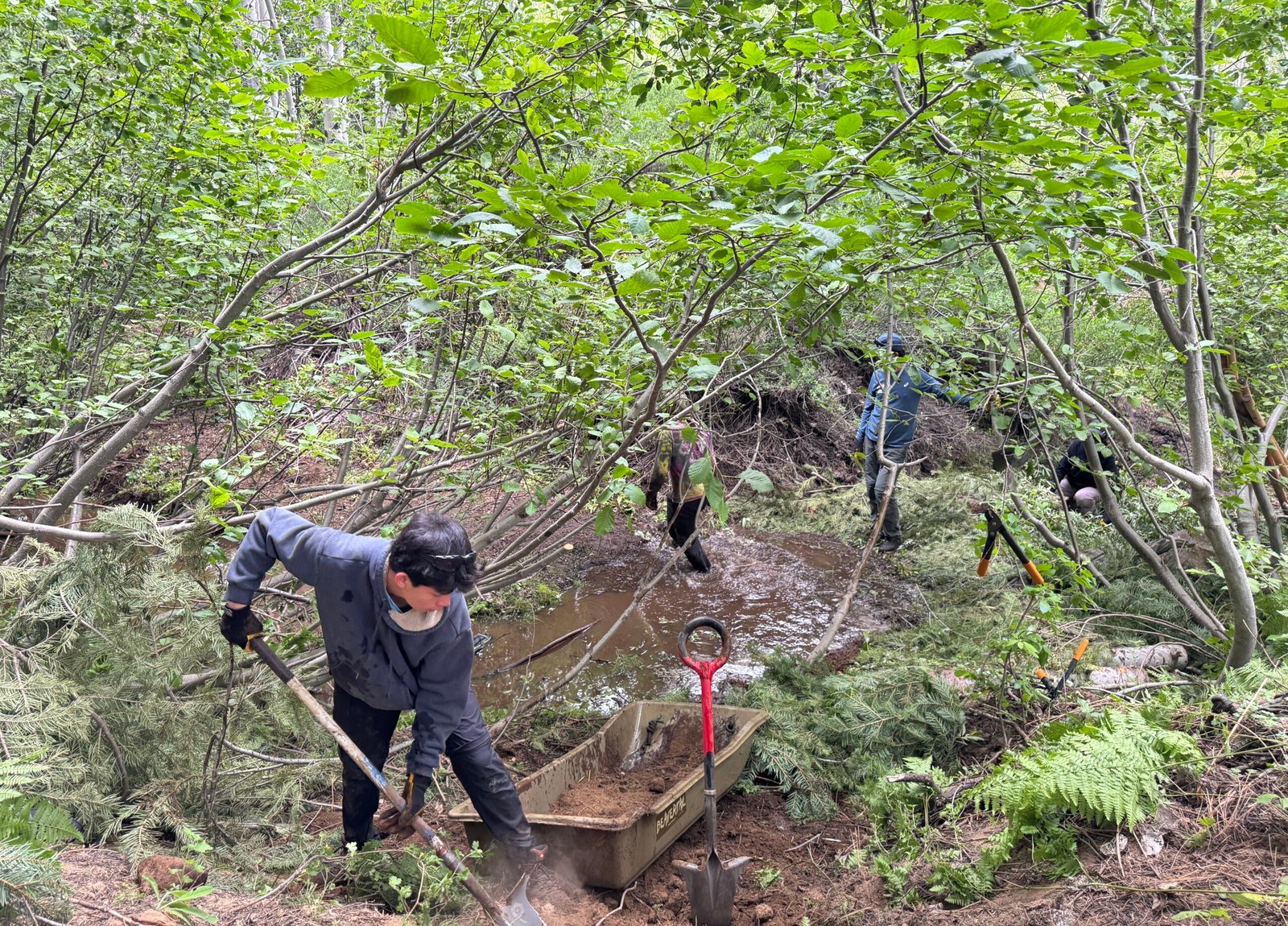
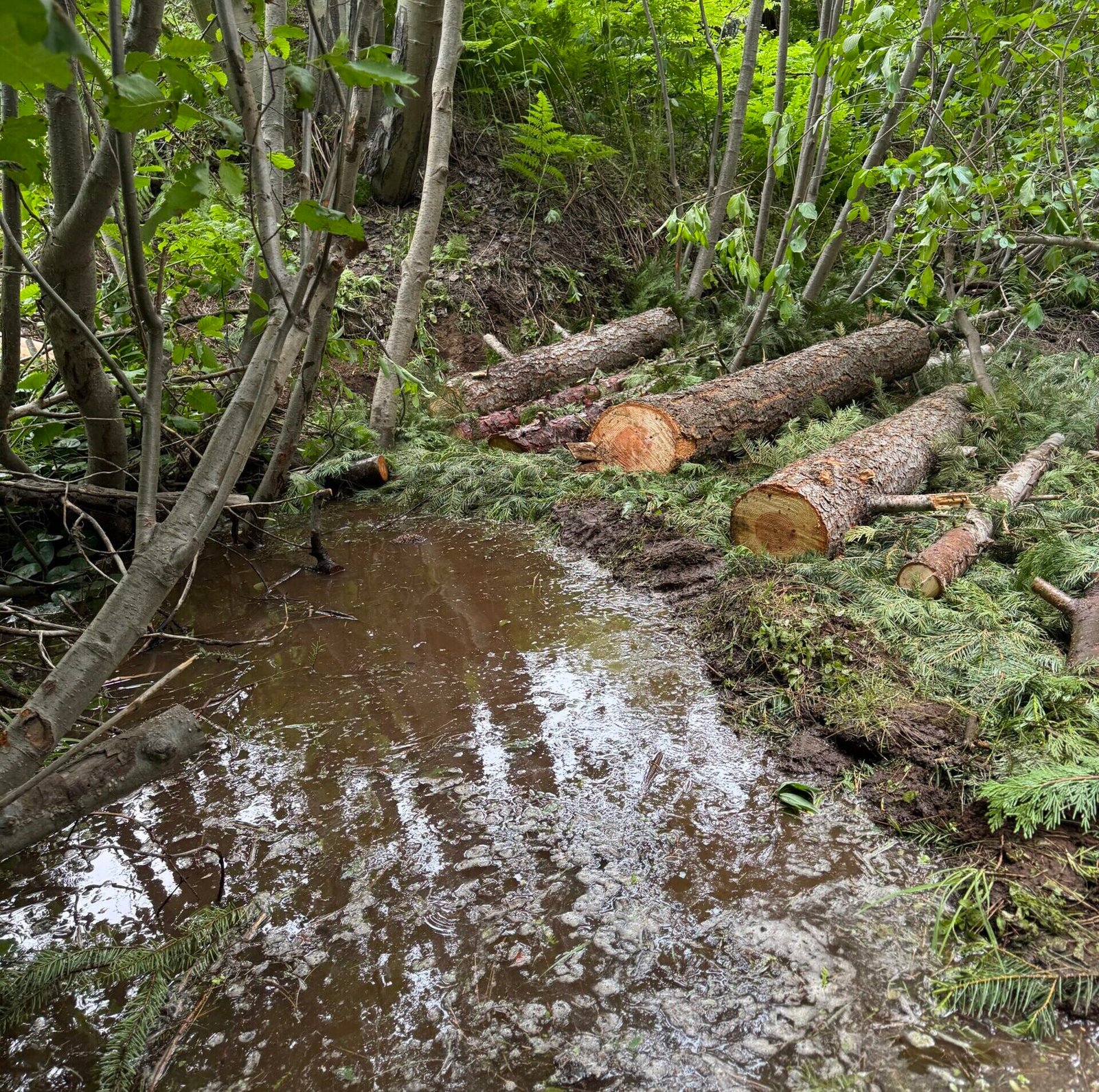
After hiking through the meadow, we split into smaller groups and began working on different sections of the meadow. We started by collecting the willows and branches needed to fortify the BDA's while others saws and moved large fallen tree logs for the base. We also collected sod–soil held together by root networks which acts as stronger reinforcement in comparison to normal loose soil. After we collected the materials, it was time to build the superstructure. We began by placing large logs to create the foundation of our new structure. Once the framework was in place, we began “stuffing” branches under the log work, using the pine leaves of the branches as a filter to limit water flow downstream. Finally we topped it off by packing on sod to lock the structure together and further curb the flow of water, using remaining dirt to create a slope underwater leading up to the analog. Throughout this process, I grew to better understand the importance of collaboration. Building the superstructure requires coordination with other volunteers–almost no task could be done individually. I found that this collaborative environment naturally led to conversations, new friendships, and lots of laughter.The results of our work were almost immediate. One benchmark we had been using was a boulder, which was previously above water. By the end, it was almost fully submerged, showing that we had recharged water levels. It was incredibly rewarding to see the fruits of our labor in real time. In total, all of the eco-engineers helped increase wetland area by 1800 square feet and elevated underground water storage by 6-12 inches. Through the efforts of volunteers, we helped promote wildfire-resilience in Cottonwood Meadows and increase drought resistance.
On the hike back to the parking area, we were given a tour of the nearby aspens. Along the trail, we saw fascinating carvings in the trees, suggesting the presence of bear claws, and an old carving depicting a goddess from several centuries ago. It was a nice reminder of the cultural value of these meadows, which had been stewarded by Indigenous communities for generations.